
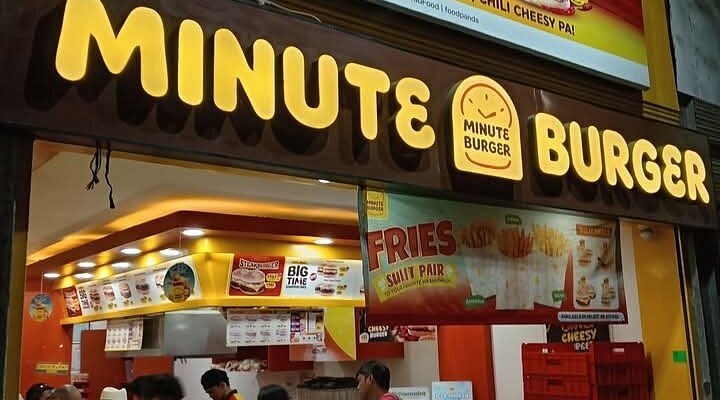
When someone claims that the “price” of a burger (or specifically Minute Burger) is the “most dangerous,” they might not simply be referring to the cost in money. Rather, the danger could stem from health and safety risks related to food quality, hygiene, and nutritional impacts. In this article, we dig into the hidden hazards behind cheap or fast burgers — and why that price tag might indeed be dangerous for your health.\
The Hidden Risk Behind Cheap Fast Food
• Fast Food and Foodborne Illness: A Known Danger
Fast food chains — especially those offering inexpensive burgers — operate under intense pressure: high demand, quick service, and tight margins. This environment can easily compromise food safety practices. Reports from health experts and research studies show that burgers, particularly minced-meat burgers, are among the most sensitive foods when it comes to bacterial contamination.
If the meat is not cooked thoroughly — meaning the internal temperature doesn’t reach safe levels — dangerous bacteria such as E. coli, Salmonella, and other pathogens can survive.
According to international food-safety guidelines, minced-meat burgers should be cooked until the internal temperature is at least 70 °C (or the equivalent time-temperature combination) to kill harmful bacteria.
When restaurants fail to meet these standards — perhaps to speed up service or due to poor kitchen practices — customers are at risk of foodborne illnesses. The consequences can range from mild gastrointestinal discomfort to severe, even fatal, food poisoning.
• Contamination & Poor Hygiene: Not Just Cooking Temperature
It’s not only about cooking meat thoroughly. Food outlets must manage a chain of risks — from sourcing raw ingredients to storing, handling, preparing, and serving. Poor hygiene, cross-contamination (raw meat touching ready-to-eat items), improperly cleaned equipment, unsanitary surfaces, or even flies and dust can introduce bacterial or chemical contamination.
In regions where oversight is lax or hygiene regulations are poorly enforced, fast-food or ready-to-eat (RTE) outlets are often found in the spotlight. For example, scientific studies of RTE foods served by street vendors in Pakistan flagged serious contamination with bacteria like Salmonella — highlighting how dangerous improper food handling can be.
And it’s not just street food. Even burgers served from formal outlets can be risky if standards slip. Internationally, there have been cases where ready-to-eat burgers — sampled anonymously at the point of sale — contained unacceptable levels of pathogens such as Salmonella, E. coli O157, and Campylobacter.
Thus, a “cheap burger” might hide a high risk if corners are cut along the supply chain.
Health Impacts: Why “Cheap + Fast” Can Be Dangerous
• Immediate Risks: Food Poisoning
If contaminated food is consumed, individuals can suffer from foodborne illnesses. Symptoms may include stomach cramps, vomiting, diarrhea, fever and dehydration — effects that can be especially severe in young children, the elderly, or those with weak immune systems.
Tragically, there are documented cases of severe outcomes. For instance, there was a recent incident in which two children died after allegedly consuming contaminated burgers sold at a fast-food outlet in their city.
While that particular case may not involve Minute Burger, it underscores the real-world risk associated with contaminated fast food — even among major chains or widely available burger outlets.
• Long-Term Risks: Processed Meat, Carcinogens, and Chronic Illness
Beyond acute illness, regular consumption of fast, processed burgers — especially with reheated or processed meat — carries long-term health consequences. Several experts argue that frequent intake of processed and heavily fried or grilled meats contributes to increased risk of chronic diseases, including certain types of cancer.
Moreover, the convenience and affordability of cheap burgers encourage overconsumption. Over time, this can lead to unhealthy dietary patterns: high in saturated fat, salt, and processed meat — often lacking in fresh, nutritious ingredients.
The Case of Minute Burger: Affordable But Watchful
Minute Burger is a well-known fast-food franchise. According to its own claims, Minute Burger emphasizes affordability, “nutritious food,” and a standardized supply chain to ensure consistent quality.
They advertise “Buy 1, Take 1” deals, making burgers accessible to a wider audience, and promote low prices — an attractive factor for budget-conscious consumers.
However, despite the brand’s assurances of quality, the general risks associated with fast-food burgers remain:
- Unless cooking procedures, hygiene, temperature control, and safe storage are strictly maintained, even big franchises can be vulnerable to lapses — mistakes, shortcuts, or negligence.
- In some regions or local outlets, oversight may be weaker or inconsistent; the risk of contamination increases if regulations are lax or inspections rare.
- Consumers — especially in countries where regulatory oversight is weaker — might not always know whether the burger meets safe-cooking and hygiene standards, yet still be exposed to health hazards.
Thus, while Minute Burger may offer an affordable meal, the “price” paid might go beyond money — potentially endangering your health.
What Experts Say: Why Burgers Are a Risky Food Choice
International food-safety organizations and health agencies consistently warn that ready-to-eat items — particularly minced-meat burgers — are among the riskiest foods if standards slip. Factors include:
- Product contamination: Raw meats may contain pathogens; if not cooked properly, these survive.
- Cross-contamination: Handling raw and cooked foods with the same utensils, surfaces, or storage increases risk.
- Poor storage or temperature control: Inadequate refrigeration or holding food for too long at unsafe temperatures lets bacteria multiply — especially dangerous when food sits in the “danger zone” (roughly 8–63 °C) for hours.
- Lack of staff training and hygiene: Employee turnover, poor training, or ignorance about food safety best practices can lead to serious risk.
Health authorities also note that foodborne illnesses are not minor: eating contaminated food can cause severe illness, long-term complications, or even death — especially for vulnerable individuals.
In short: eating a burger — even from a reputed chain — is only safe if proper food-safety protocols are strictly followed at every step.
What You Should Do As a Consumer
Given these risks, here are some practical guidelines to protect yourself when buying burgers or other fast food:
- Observe the outlet’s hygiene — clean counters, well-maintained kitchen, staff wearing gloves or hairnets, separate handling of raw and cooked food. If the place looks dirty or sloppy, it’s safer to avoid ordering.
- Ask for “well-done” burgers — especially if you know the meat is minced/beef — to reduce risk of undercooked patties. Undercooked burgers are a major source of harmful bacteria.
- Avoid meat that seems undercooked, raw or pink — and avoid reheated burgers that have been sitting out long.
- Prefer freshly prepared food — rather than pre-cooked or sitting in the “danger zone” (warm for long time). Freshly cooked burgers lessen risk.
- Limit consumption of fast/processed food — rely more on balanced meals of fresh vegetables, home-cooked dishes — this reduces long-term health risks associated with processed meats and fast food diets.
- Stay informed about food safety incidents or food-outlet hygiene citations — avoid outlets with known history of infractions.
Why Cheap Fast Food Is a Double-Edged Sword
Budget-friendly burger chains like Minute Burger provide an affordable, convenient meal option — and that’s part of their appeal. For many people, especially students, low-income families, or those on the go, it is a quick fix to hunger.
Yet, the low price can sometimes mask hidden costs: compromised food safety, poor quality meat, rushed cooking, and unclean kitchens. The health risks — from food poisoning to long-term chronic diseases — can be significant.
In such a reality, “cheap” has a cost beyond your wallet. It can cost your well-being.
Conclusion: Price ≠ Value If Safety Is Compromised
The claim that “Minute Burger price is the most dangerous” may sound like hyperbole — but it carries a sobering warning. When low prices coincide with corners being cut on quality and safety, the danger becomes real. The value of a burger should not only be measured in rupees or pesos, but also in food safety, hygiene, and long-term health value.
If you’re going to eat a burger — especially a cheap one — be a smart consumer. Demand well-cooked food. Check hygiene. Know that sometimes, what seems like a good deal might be a risky bet.
