
Introduction: The Allure of Pumpkin Bread
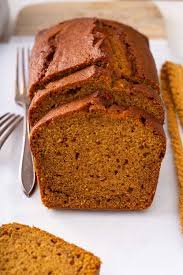
Pumpkin bread — the beloved loaf or quick bread made with pumpkin puree — evokes cozy autumn afternoons: its warm, golden hue, soft crumb, and aromas of cinnamon, nutmeg, and clove make it a fall classic. Using pumpkin puree gives the bread moisture, sweetness, and a characteristic texture that’s both fluffy and tender. Many home bakers value pumpkin bread as a comforting treat or a slightly healthier alternative to dense, buttery cakes or breads.
And yet — for all its charm and flavor — pumpkin bread, like any homemade baked good, carries real food-safety risks. If you’re not careful with how you bake, cool, or store it, that cozy loaf can become potentially hazardous. Below is a full pumpkin-bread recipe — followed by a detailed look at what can go wrong, and how to minimize the risks so your loaf remains both delicious and safe.
Pumpkin Bread Recipe: Traditional Method
Ingredients (for one standard loaf)
- Pumpkin puree — about 1 cup (or the equivalent amount from roughly 1 kg fresh pumpkin, cooked and mashed)
- All-purpose wheat flour — typical recipes use about 2 to 2¼ cups, depending on the moisture content of the pumpkin puree
- Eggs — 2 (or as the recipe calls for)
- Oil (such as neutral vegetable oil) or melted butter — for fat and moisture
- Sweetener — sugar (or alternative sweetener) — adjust to taste (many recipes use ¾ to 1 cup)
- Baking powder (and optionally baking soda) — for leavening
- Spices (optional but typical): ground cinnamon, nutmeg, cloves, maybe ginger — for that classic autumn flavor
- Salt — a pinch, to enhance flavors
- Optional add-ins: nuts (e.g. walnuts or pecans), pumpkin seeds, raisins — for extra texture and flavor
Preparation Steps
- Preheat your oven to about 180 °C (350 °F). Grease (or line) a loaf pan.
- In one bowl, whisk together dry ingredients: flour, baking powder (and soda if used), salt, and spices.
- In another bowl, combine wet ingredients: pumpkin puree, eggs, oil (or melted butter), and sugar. Mix until smooth.
- Gently fold the wet mixture into the dry ingredients — just enough to combine; over-mixing can make the crumb dense instead of tender. If using nuts / seeds / raisins, fold them in at the end.
- Pour the batter into the prepared loaf pan, smooth the top, and bake for about 50–60 minutes (time may vary depending on your oven and the loaf size). Insert a toothpick into the center: if it comes out clean (or with a few dry crumbs), the loaf is done. If it’s wet or batter sticks, bake a few more minutes.
- After removing from the oven, let the bread cool completely on a wire rack before covering, slicing, or storing.
When done properly, you should have a moist, flavorful pumpkin bread — aromatic, soft, and perfect for tea or breakfast.
Why Pumpkin Bread Can Become “Dangerous”: Food-Safety Risks
Mold Growth and Mycotoxins — A Hidden Hazard
Because pumpkin bread tends to be moist — thanks to the pumpkin puree and fat — it can be especially prone to mold growth if conditions are favourable. Once visible mould appears, the entire loaf should be considered compromised. Mould on bread is not always safe; many fungi produce toxic substances called mycotoxins, which can remain even if the mold itself is removed or killed. Experts recommend discarding the entire loaf rather than cutting off the moldy part.
Health risks of consuming mouldy bread — or inhaling mold spores — include:
- Gastrointestinal upset: nausea, vomiting, abdominal pain, diarrhea.
- Allergic reactions: in sensitive individuals, mold spores may trigger respiratory symptoms — sneezing, runny nose, asthma attacks, skin reactions.
- Toxin-related harm: some mycotoxins have been linked to long-term health effects, including liver or kidney damage, immune suppression, and — in rare chronic exposure — increased cancer risk.
Because you typically can’t tell by sight whether a given mold species produces toxins (or whether its “roots” have spread deep into a porous loaf), the safest assumption is that any visible mold — or any loaf stored under suboptimal conditions — could be hazardous.
Excess Moisture + Warmth + Closure = Mold’s Paradise
Right after you bake pumpkin bread, the interior is warm and moisture-rich. If you wrap or store the loaf before it has cooled down completely, condensation can form inside the wrapping or container. This moisture — combined with warmth — becomes an ideal environment for mold and bacteria to grow. Bread stored this way can spoil more quickly, and the risk is greater for soft, high-moisture baked goods like pumpkin bread than for dense, dry loaves.
Many food-safety guidelines warn that mould-prone foods like bread should be stored in cool, dry conditions, and that warm loaves should be cooled fully before packaging.
Undercooked or Improperly Baked Interiors — Hidden Danger Zones
Because pumpkin bread tends to be moist, it can sometimes fool the baker: the crust may appear done, but the interior center may remain undercooked, soggy, or dense. If moisture remains inside and the loaf is stored without proper cooling, the wet interior becomes a breeding ground for microbial growth.
Even though high baking temperature will kill most bacteria or fungi present in batter, it does not remove any toxins produced earlier (if the ingredients or pumpkin puree were contaminated), nor does it guarantee that spores introduced later (e.g., during slicing or wrapping) won’t proliferate.
Risky Add-ins: Nuts, Seeds, and Dried Fruit
Many pumpkin-bread recipes call for add-ins: walnuts, pecans, pumpkin seeds, raisins, or other dried fruit. These ingredients can add delicious texture — but they also bring added vulnerability. If nuts or seeds are old or stored improperly, they may already harbor mold spores. Once mixed into moist batter, these spores can grow during baking, storage, or both. Similarly, dried fruit (if not fully clean or dry) can contribute to increased risk.
Because pumpkin bread is somewhat porous and retains moisture, mold or spores introduced via add-ins can spread more easily than in dense white bread.
How to Bake — and Store — Pumpkin Bread Safely
If you love pumpkin bread but don’t want to gamble with your health, here are guidelines to follow:
- Ensure thorough baking: insert a toothpick (or cake tester) into the center — it should come out clean or with only dry crumbs. If it’s wet or doughy, bake longer to ensure the interior is fully set.
- Cool completely before storing: never wrap or seal the loaf while it’s still warm. Let it cool on a wire rack until it reaches room temperature — this prevents condensation that can invite mold growth.
- Store in a cool, dry, well-ventilated container or paper bag: avoid airtight plastic bags if storing at room temperature right away. For longer storage, you can freeze slices — freezing slows or stops mold growth. This is especially useful for homemade breads with no preservatives.
- Consume relatively quickly: homemade pumpkin bread (with no preservatives) is best eaten within a few days. If you plan to keep it longer, slice and freeze portions ahead of time, and thaw only what you need.
- Inspect before eating: look for suspicious changes — visible mold spots, off smells, slimy texture, or unusual dryness. When in doubt: discard the loaf. Remember: visible mold is often only the tip of the iceberg.
Summary: Pumpkin Bread — Cozy Comfort, but Respect the Risks
Pumpkin bread remains a beloved seasonal treat, delivering warmth, spice, and the rich taste of autumn. But it’s not immune to the same hazards that come with many homemade, high-moisture baked goods. Because of its moist crumb, potential for uneven baking, and vulnerability during storage, pumpkin bread — if mishandled — can become a medium for mold growth, bacterial contamination, or exposure to mycotoxins.
That said — with care and attention to proper baking, cooling, and storage — pumpkin bread can be enjoyed safely and deliciously. The magic lies in respecting the science of food safety, not just the cozy vibes.
