
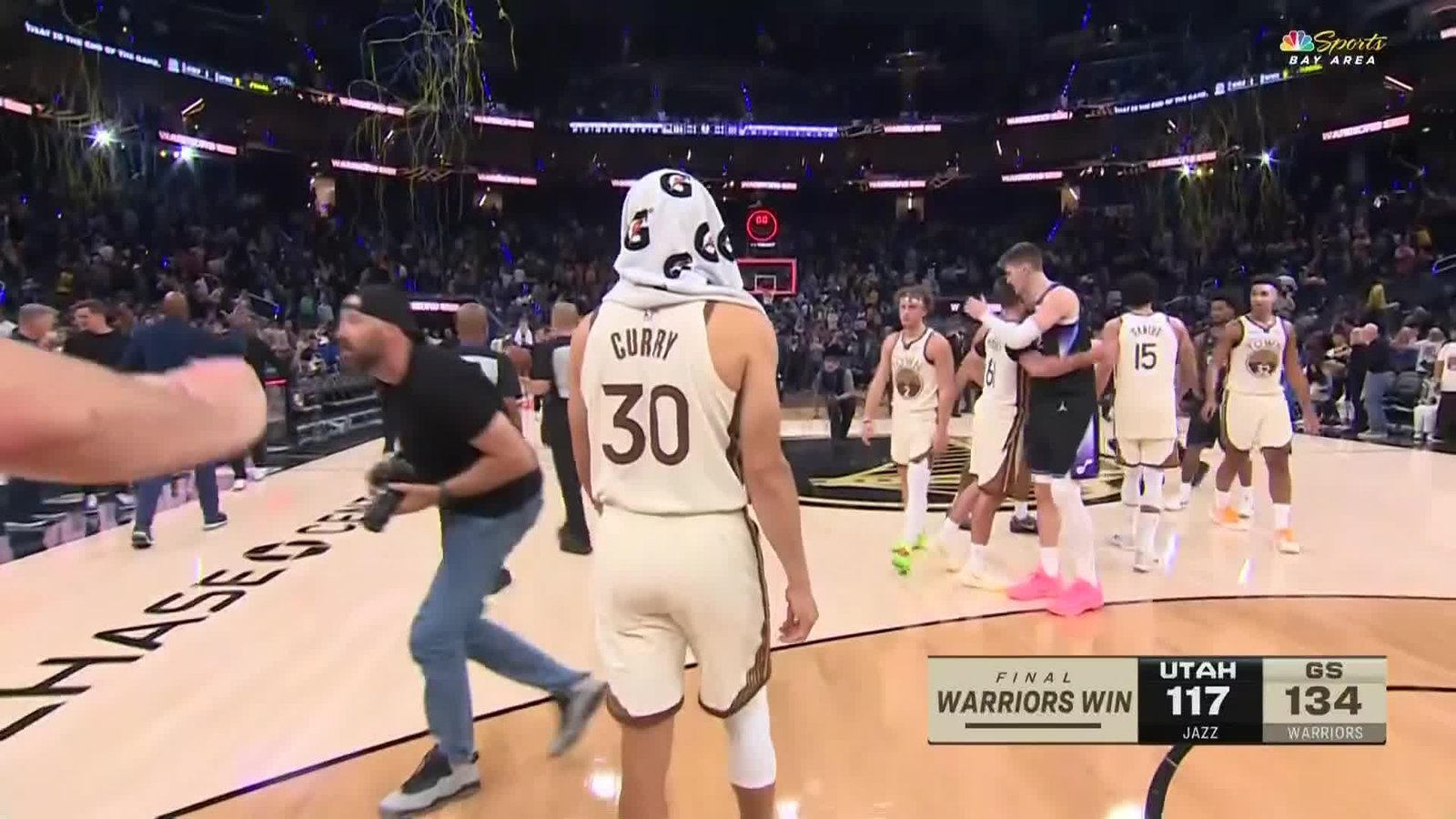
When fans search for Utah Jazz vs Golden State Warriors match player stats, they are usually looking for more than just a final score. This matchup represents a clash of contrasting basketball philosophies, roster construction, and individual brilliance. Over the years, games between the Utah Jazz and the Golden State Warriors have produced fascinating statistical storylines that reveal how each team approaches offense, defense, and player utilization.
This article takes a deep dive into Utah Jazz vs Golden State Warriors match player stats, focusing on individual performances, positional battles, efficiency metrics, and how player statistics shape the outcome of these games. Rather than focusing on a single box score, this analysis explores the broader statistical patterns that typically emerge when these two teams meet.
Team Context and Statistical Identity
Before breaking down individual player stats, it is important to understand the statistical identity of both teams.
The Utah Jazz have traditionally emphasized structured offense, ball movement, and strong interior play. Their player stats often reflect high assist numbers, efficient shooting from key scorers, and solid rebounding totals from frontcourt players. Even in transition phases or rebuilding years, Utah players tend to post disciplined statistical profiles, with lower turnover rates and consistent defensive metrics.
The Golden State Warriors, on the other hand, are known for pace, spacing, and perimeter shooting. Utah Jazz vs Golden State Warriors match player stats often highlight a clear contrast: Warriors guards and wings producing high three-point attempts and scoring bursts, while Jazz players counter with physicality, rebounding, and half-court efficiency.
Backcourt Matchups and Guard Statistics
One of the most compelling aspects of Utah Jazz vs Golden State Warriors match player stats is the guard comparison.
Golden State guards typically dominate in scoring efficiency from beyond the arc. Their stat lines often include high points-per-game averages, strong true shooting percentages, and significant off-ball movement that doesn’t always show up directly in the box score. Assists may be spread across multiple players rather than concentrated in a single point guard, reflecting their motion-heavy offense.
Utah’s guards, by contrast, often show balanced stat lines. Points, assists, and steals tend to be evenly distributed, highlighting a system that values decision-making. In Utah Jazz vs Golden State Warriors match player stats, Jazz guards frequently record fewer three-point attempts but compensate with higher free-throw attempts and better shot selection inside the arc.
Turnovers are another key stat here. Warriors guards sometimes take more risks, leading to higher turnover numbers, while Jazz guards typically maintain steadier ball security.
Wing Players and Scoring Versatility
Wing players play a decisive role in these matchups, and Utah Jazz vs Golden State Warriors match player stats often reflect that importance.
Golden State wings usually post impressive scoring efficiency, especially in catch-and-shoot situations. Their stats frequently include high three-point percentages, solid rebounding for their position, and strong plus-minus ratings due to spacing impact.
Utah wings, meanwhile, often contribute across multiple categories. Their player stats may show moderate scoring totals combined with rebounds, assists, and defensive stats such as deflections or blocks. In Utah Jazz vs Golden State Warriors match player stats, Jazz wings are often tasked with defending elite shooters, which can suppress their offensive numbers but elevate their defensive value.
The contrast becomes clear when analyzing usage rate. Warriors wings often have higher offensive usage, while Jazz wings tend to share responsibilities more evenly.
Frontcourt Battles and Interior Statistics
The frontcourt matchup is one of the most statistically revealing aspects of Utah Jazz vs Golden State Warriors match player stats.
Utah big men traditionally excel in rebounds, blocks, and interior scoring efficiency. Their stat lines often include double-digit rebound performances and strong field goal percentages near the rim. These numbers reflect Utah’s historical emphasis on rim protection and paint control.
Golden State’s frontcourt stats look different. Rather than focusing solely on rebounds and blocks, their bigs often contribute assists, floor spacing, and defensive versatility. In Utah Jazz vs Golden State Warriors match player stats, Warriors big men may record fewer rebounds but compensate with higher assist totals and three-point shooting percentages.
Defensive metrics such as opponent field goal percentage at the rim often tell the real story. Utah bigs tend to lower this number significantly, while Golden State relies more on team defense and rotations.
Bench Production and Rotation Stats
Bench player stats are frequently a deciding factor in these games.
In Utah Jazz vs Golden State Warriors match player stats, Utah’s bench often shows consistent scoring and rebounding contributions. Their second unit typically plays with structure, resulting in positive assist-to-turnover ratios and steady scoring output.
Golden State’s bench stats can be more volatile. Some games feature explosive scoring bursts from reserves, while others show quieter performances. However, Warriors bench players often post strong plus-minus numbers due to their ability to maintain spacing and tempo.
Minutes distribution is another key stat. Utah benches often play more evenly distributed minutes, while Golden State may shorten rotations depending on matchup needs.
Advanced Metrics and Efficiency Analysis
Looking deeper into advanced stats adds more context to Utah Jazz vs Golden State Warriors match player stats.
Effective field goal percentage often favors Golden State due to three-point volume. Utah, however, tends to excel in points per possession in half-court sets. Usage rate, player efficiency rating, and on-off court differentials frequently highlight how dependent Golden State is on perimeter creators, while Utah’s numbers show a more collective approach.
Defensive rating is another telling metric. Utah players often post strong individual defensive ratings, especially in interior positions, while Golden State relies more on switching schemes that spread defensive responsibility across the lineup.
How Player Stats Influence Game Outcomes
Ultimately, Utah Jazz vs Golden State Warriors match player stats help explain why these games are often competitive regardless of standings.
If Warriors players shoot efficiently from three-point range, their individual scoring stats usually tilt the game in their favor. When Utah players dominate rebounds, limit turnovers, and control the paint, their stat profiles often translate into wins.
Free-throw attempts, second-chance points, and assist totals consistently correlate with outcomes in this matchup. Jazz victories often feature strong team assist numbers and rebounding margins, while Warriors wins typically showcase elite shooting efficiency and scoring runs.
Conclusion
Analyzing Utah Jazz vs Golden State Warriors match player stats provides a rich understanding of how contrasting basketball philosophies collide on the court. From guard play and wing efficiency to frontcourt battles and bench contributions, the numbers reveal why this matchup remains compelling year after year.
Rather than relying on a single headline stat, the full picture emerges through efficiency metrics, role-based contributions, and how individual player stats fit within each team’s system. For fans, analysts, and fantasy basketball enthusiasts alike, studying these player stats offers valuable insight into one of the NBA’s most stylistically intriguing matchups.
