
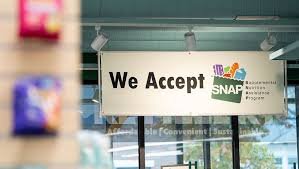
When you hear “snap.benefits,” it likely refers to the benefit package under the Supplemental Nutrition Assistance Program — SNAP. SNAP is the United States’ largest federal nutrition assistance program, designed to help low-income individuals and families afford food. It works by supplementing a household’s grocery budget, enabling recipients to purchase healthy food and maintain better nutrition and well-being.
Originally launched as the “Food Stamp Program,” SNAP has evolved over decades. Since the late 1990s, paper food stamps have largely been replaced by an electronic system — benefits loaded onto a card called an Electronic Benefits Transfer (EBT) card, which functions similarly to a debit card.
In effect, “snap.benefits” encompasses a set of monthly allotments, eligibility criteria, and food-purchasing rules defined by federal law and administered state-by-state. The core idea is simple: help those with limited resources access nutritious food without sacrificing other essentials.
How SNAP Determines Eligibility & Benefit Amounts
One of the key aspects of SNAP is that it’s means-tested: households must meet income and asset/resource limits to qualify.
Income and Resource Tests
- Generally, gross monthly income must not exceed 130% of the federal poverty line, and net income (after deductions) must be at or below 100% of the poverty line.
- Assets also matter: for most households, countable resources must be below a certain threshold (for example, under $3,000 for many households; higher limits apply if the household includes elderly or disabled members).
Some households qualify under a “categorical eligibility” path — that is, participation in other public assistance programs (like welfare or disability) may automatically make them eligible for SNAP, even if income or asset thresholds alone would disqualify them.
Calculating Benefit Amounts
If a household qualifies, SNAP calculates a monthly “allotment” based on household size, net income, and standardized food-cost estimates. The program’s goal is to ensure households can afford a nutritionally adequate low-cost diet — often based on what is called the “Thrifty Food Plan” (TFP).
Benefits are designed so that households contribute about 30% of their net income toward food; SNAP makes up the difference up to the cost of the TFP. As a result: households with little or no net income receive near-maximum benefit amounts; households with more income receive smaller allotments.
For example — though exact figures may vary over time and by household size — in fiscal year 2025 the typical benefit amount per person was estimated around $187 per month.
What SNAP Benefits Cover — And What They Don’t
One essential benefit of SNAP is flexibility: once approved, recipients get an EBT card that can be used like a debit card at authorized food retailers. This allows for convenient, discreet purchasing without stigma attached to “food stamps.”
What You Can Buy
Eligible items generally include:
- Basic food staples (fruits, vegetables, grains, dairy, meat, poultry, fish)
- Other grocery items meant for home consumption
- In many areas, plants or seeds to grow food for household use
This helps households stretch their food budget, allowing them to purchase nutritious food rather than relying solely on cheap, low-nutrient options.
What SNAP Does Not Cover
Certain items are explicitly excluded, such as:
- Alcohol, tobacco, cigarettes
- Hot prepared foods sold in stores (in most cases)
- Non-food items — toiletries, pet food, cleaning supplies, cosmetics, medicines, vitamins, etc.
These rules help ensure SNAP funds are used strictly for basic food needs, keeping the focus on nutrition and healthy diet rather than discretionary spending.
SNAP’s Role Beyond Food — Reducing Poverty and Supporting Vulnerable Groups
SNAP does much more than put food on the table. It serves as a critical safety net and social support mechanism for vulnerable populations.
Reducing Poverty and Food Insecurity
For many households, SNAP benefits reduce financial stress — enabling them to allocate limited income toward other necessities, such as rent, utilities, or medical expenses, rather than sacrificing food.
Data show a large share of SNAP recipients live at or below the poverty line, and many earn far less than that.
Before the COVID-19 pandemic, analyses estimated that millions, including many children, were lifted — or kept — out of poverty because of SNAP.
Supporting Children, Elderly, and People With Disabilities
SNAP disproportionately helps households with children, older adults, or individuals with disabilities — demographics often facing higher food insecurity and lower incomes.
For older adults, in particular, SNAP can be a crucial lifeline. Limited income, rising medical costs, and fixed retirement incomes mean that even modest monthly benefits can have a major impact on maintaining proper nutrition.
In short: SNAP plays a central role in social welfare — preventing hunger, reducing poverty, and supporting health and stability among populations at risk.
Challenges, Risks, and Misconceptions Around “snap.benefits”
Despite its clear benefits, SNAP (and hence any reference to “snap.benefits”) is not without controversies, challenges, and criticisms. Understanding these helps clarify what the program can — and cannot — do.
Administrative Oversight, Fraud & Security Concerns
Because SNAP is large and involves the disbursement of government funds, there are always risks of misuse. However, official data indicate that outright fraud is rare.
That said, certain vulnerabilities remain — particularly related to the EBT system. For instance, EBT cards historically have lacked some of the security safeguards of modern debit or credit cards (like embedded chips), which makes them more susceptible to theft, skimming, or data theft. Federal lawmakers have highlighted this and proposed upgrades to protect benefit recipients, especially older adults.
Scammers have tried to exploit this: there have been reports of phishing texts claiming a person’s EBT card or “snap.benefits” account is locked or deactivated, prompting recipients to call or click fraudulent links — potentially leading to identity theft or loss of benefits.
Therefore, people enrolled in SNAP are urged to treat unsolicited communications about their EBT accounts with caution and to verify through official state agency channels instead.
Limitations in Benefit Value and Cost of Living Pressures
Although SNAP helps, it rarely covers an entire monthly food budget. The benefit is calculated to supplement what households can already contribute — meaning in many cases, recipients still need to spend their own money to buy food.
Over time, inflation and rising food prices can erode the purchasing power of SNAP benefits. Nutritional adequacy depends not only on having enough funds but also on access to affordable healthy food, store participation, and broader economic conditions.
Moreover, while SNAP is designed for low-income households and often targets those in poverty, it does not guarantee long-term financial stability or solve underlying structural issues such as unemployment, wage stagnation, health care costs, and lack of affordable housing.
Regulatory & Policy Shifts — Impact on Eligibility and Benefits
SNAP is a federal program, but it’s administered at the state level. That means states have some flexibility (for example, via “categorical eligibility”) to expand or restrict access based on local policies.
In recent years, debates over food-program reform, budget constraints, and changing social-welfare priorities have put pressure on SNAP. Critics argue against program cost, while advocates emphasize its role in preventing hunger and poverty.
Also, because benefits and eligibility thresholds are periodically revised (based on cost-of-living, budget allocations, and policy changes), recipients may face uncertainty or need to re-certify their eligibility — which can cause gaps in support.
Why “snap.benefits” Matters — The Broader Social Significance
Understanding the significance of “snap.benefits” is not just about food assistance. It’s about social safety nets, public policy, economic stability, and human dignity.
Food Security and Public Health
By enabling low-income families to afford nutritious food, SNAP plays a foundational role in reducing hunger, preventing malnutrition, and supporting public health. For many children, seniors, and vulnerable adults, access to food through SNAP means better health outcomes, fewer diet-related diseases, and greater capacity to thrive.
Economic Stabilization and Poverty Alleviation
In times of economic hardship — high unemployment, rising living costs, inflation — SNAP acts as an automatic stabilizer. Because eligibility is income-based, when more people fall on hard times, more people qualify; when economic conditions improve, enrollment can drop. This dynamic helps cushion families during recessions or crises.
For households already under severe economic strain, even modest monthly benefits can make the difference between putting food on the table or going hungry.
Social Equity and Support for Vulnerable Populations
Many SNAP recipients belong to groups historically disadvantaged — children, elderly, disabled, or working poor. By providing support targeted at those most in need, SNAP helps promote equity and social inclusion. It acknowledges that access to nutritious food is a fundamental need, not a privilege.
Moreover, by reducing food insecurity, SNAP helps improve overall well-being, mental health, productivity, and opportunities for education and advancement, especially among children.
Key Considerations and What Users of “snap.benefits” Should Know
If you or someone you know is looking into “snap.benefits,” there are a few practical takeaways worth remembering:
- Applying for SNAP must be done through the relevant state agency — each state handles its own intake, documentation, and approval process.
- Benefits are loaded onto an EBT card. Be cautious of phishing scams, unsolicited texts or calls claiming to be from government agencies: legitimate agencies will not ask for personal information via random messages.
- SNAP helps with groceries — but typically only part of the food budget. Recipients still may need to use their own cash to meet full nutritional needs.
- If you qualify (especially if you’re elderly, disabled, or part of a large low-income household), SNAP can make a significant positive difference — but it is not a long-term fix for economic hardship or systemic inequality.
In Conclusion
“snap.benefits” are more than just monthly food allotments — they represent a crucial pillar in the social safety net of the United States. By offering targeted, means-tested support to millions of low-income individuals and families, SNAP helps ensure access to basic nutrition, supports public health, reduces poverty, and stabilizes vulnerable households in difficult times.
While the program faces limitations — from benefit size to eligibility rules, administrative complexity, and occasional risk of fraud — its core value remains undeniable. For many, SNAP is not just about assistance — it’s about dignity, security, and hope.
