
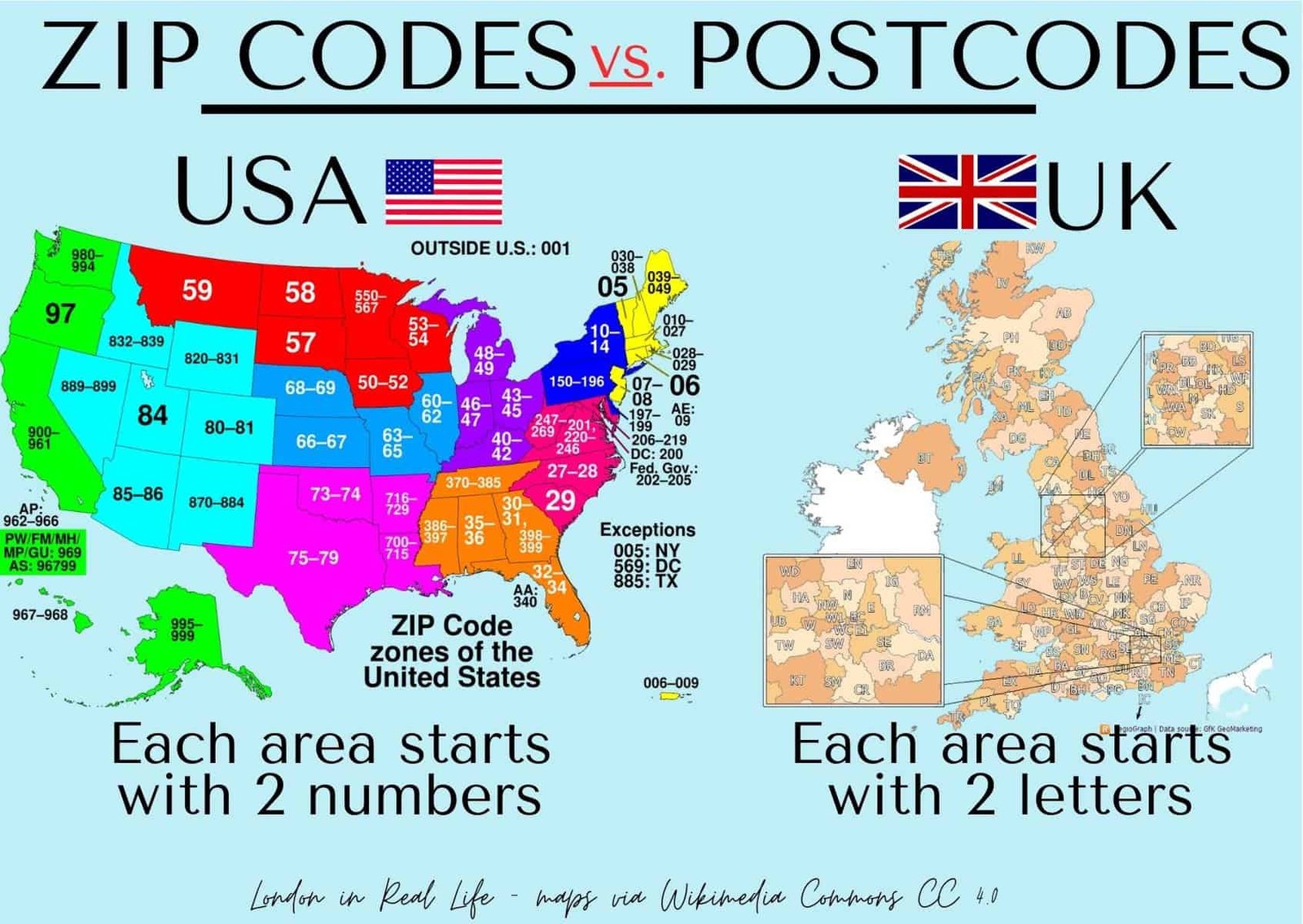
The term uk zip code is often searched by people who are unfamiliar with how postal addressing works in the United Kingdom. While many countries use the phrase “zip code,” the UK follows a different system that is both detailed and highly organized. Understanding this system is essential for residents, businesses, travelers, and anyone sending or receiving mail within the country.
This article provides a complete explanation of what people mean when they search for “uk zip code,” how the UK postal system works, why it matters, and how it is used in everyday life.
What Is a UK Zip Code?
Although many people refer to a uk zip code, the official term used in the United Kingdom is postcode. The phrase “zip code” originates from the United States, but due to global usage and online forms, it has become a common alternative term when people are searching for postal codes in the UK.
In simple terms, a UK zip code (postcode) is an alphanumeric code assigned to specific geographic areas. It helps identify exact locations for mail delivery, navigation, and service availability.
History of the UK Postal Code System
The UK postcode system was introduced nationally between the 1950s and 1970s. Before this system existed, mail delivery relied heavily on town names and manual sorting. As cities expanded and mail volume increased, a more precise method became necessary.
The result was a structured postal system that could:
- Speed up mail delivery
- Reduce sorting errors
- Identify locations accurately
- Support automated systems
Today, the system is considered one of the most efficient postal coding structures in the world.
Structure of a UK Zip Code
A uk zip code is typically divided into two parts:
1. Outward Code
This part identifies the postal area and district.
Example format:
- One or two letters (area)
- One or two numbers (district)
2. Inward Code
This part pinpoints a specific street, building, or group of addresses.
Example structure:
Why UK Zip Codes Are Important
The importance of a uk zip code goes far beyond mail delivery. These codes play a vital role in modern life across multiple sectors.
Accurate Mail Delivery
Postcodes ensure letters and parcels reach the correct destination without confusion, even in densely populated areas.
Online Shopping and Services
Most online forms require a postcode to calculate delivery options, service availability, or pricing.
Emergency Services
Emergency responders rely on postcodes to quickly identify and reach locations.
Business and Marketing
Companies use postcode data to understand demographics, plan logistics, and identify target areas.
Examples of UK Zip Codes
Here are a few examples to illustrate how UK postcodes look:
- SW1A 1AA – Central London
- M1 1AE – Manchester
- EH1 1YZ – Edinburgh
- B1 1TB – Birmingham
Each code represents a unique geographic location.
Common Mistakes When Using UK Zip Codes
Many people make errors when entering or searching for a uk zip code. Some of the most common mistakes include:
- Using only numbers instead of letters and numbers
- Omitting the space between outward and inward code
- Confusing similar-looking letters and numbers (O and 0, I and 1)
- Using outdated or incorrect postcodes
Accuracy is essential, especially when using postcodes for official or delivery purposes.
How to Find the Correct UK Zip Code
If you are unsure about a specific postcode, it is important to verify it using official or reliable methods. Always ensure that:
- The spelling is correct
- The format matches UK standards
- The postcode corresponds to the correct address
Using the correct code prevents delays and errors.
UK Zip Codes for Businesses
For businesses operating in the UK, understanding the uk zip code system is critical.
Logistics and Delivery
Correct postcodes streamline shipping, reduce costs, and improve customer satisfaction.
Market Analysis
Businesses analyze postcode regions to understand customer behavior and regional demand.
Service Availability
Many services are offered or restricted based on postcode coverage areas.
UK Zip Codes and Digital Technology
Modern technology heavily depends on postcodes. From navigation systems to location-based services, postcodes help digital platforms function efficiently.
They are used in:
- Navigation and mapping tools
- Address verification systems
- Location-based recommendations
- Urban planning and development
The reliability of the UK postcode system makes it ideal for both physical and digital applications.
Frequently Asked Questions About UK Zip Codes
Is “UK zip code” the correct term?
Technically, no. The official term is “postcode,” but “uk zip code” is widely used and understood.
Can two addresses share the same postcode?
Yes, multiple addresses can share a postcode, especially within the same building or street.
Do UK zip codes change?
They can change in rare cases due to redevelopment, new housing, or administrative updates.
Are UK postcodes case-sensitive?
They are not case-sensitive, but uppercase letters are commonly used.
Final Thoughts
The term uk zip code may not be officially British in origin, but it has become a popular way to describe the UK postcode system. Understanding how these codes work is essential for daily life, business operations, and digital services in the United Kingdom.
With its detailed structure, high accuracy, and wide range of applications, the UK postcode system stands as one of the most effective postal systems globally. Whether you are sending mail, filling out a form, or learning about UK addressing, knowing how a UK zip code works will save time and prevent unnecessary errors.
