
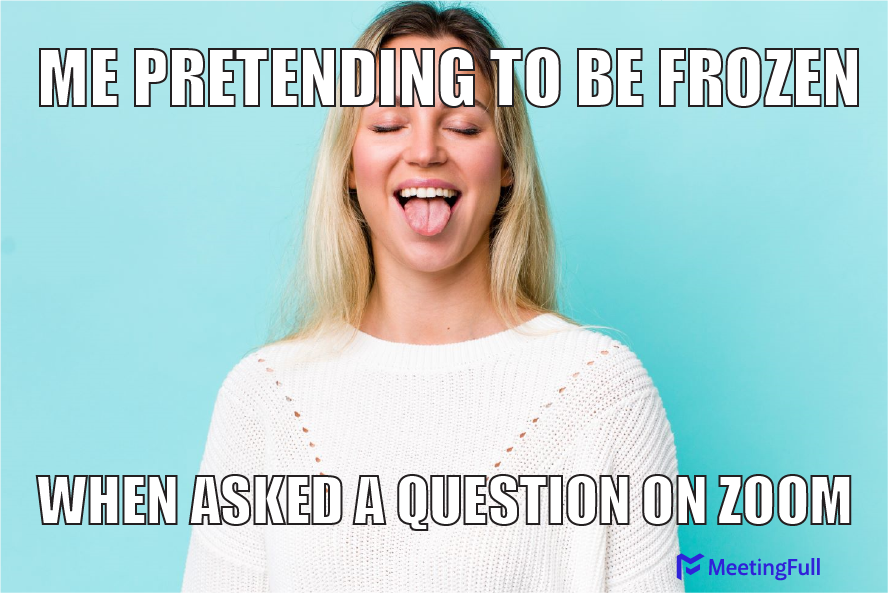
In the modern digital age, where a single meme can travel across continents in seconds, “Zoom meeting memes” have become part of everyday online culture. These simple, humorous images or clips often poke fun at the frustrations and absurdities of remote work, online classes, and virtual hangouts. But beneath the surface of funny screenshots and relatable punchlines lies an unexpected reality: Zoom meeting memes can be a dangerous digital phenomenon with real-world implications extending far beyond a simple laugh. This article explores why the seemingly harmless “Zoom meeting meme” is more than just a joke — it’s a symbol of underlying risks, vulnerabilities, cultural shifts, and security concerns in online communication.
The Rise of Zoom: From Obscure App to Global Phenomenon
Zoom’s rise to prominence during the global COVID‑19 pandemic was nothing short of meteoric. In early 2020, the platform became the go‑to tool for work, education, and social interaction — morphing from a niche video conferencing app into an essential communication bridge for millions worldwide. Its ease of use, simple interface, and convenience made it wildly popular, bringing previously unfamiliar users — from kindergarten students to CEOs — into the world of virtual meetings.
But with great popularity came increased scrutiny, particularly around security, privacy, and user behavior. These issues laid the groundwork for something often overlooked: the cultural reaction expressed through memes.
Memes as Social Commentary — And a Digital Mirror
Memes are not just jokes; they are a form of social commentary. A “Zoom meeting meme” often conveys common frustrations — awkward silences, unexpected interruptions, webcam fails, or someone forgetting to mute themselves. Behind the humor, though, lies a deeper truth: digital fatigue, security concerns, and a broad discomfort with online communication norms.
Yet, while these memes reflect everyday experiences, some also normalize risky behavior or trivialize serious digital vulnerabilities. When millions of users laugh about careless sharing of Zoom links or joke about security issues, they may unintentionally downplay the real dangers associated with lax digital practices.
The Security Risks Hidden Behind the Laughter
1. Zoom Bombing — A Real Threat
A major concern tied to Zoom usage — and often alluded to in jokes and memes — is Zoom bombing. This is when uninvited individuals enter a live meeting and cause chaos by displaying offensive content, shouting obscenities, or otherwise disrupting the session. These attacks became especially widespread early in the pandemic, when millions of meetings were left unsecured and open.
The typical scenario behind zoombombing incidents often mirrors humor around meetings gone wrong: uninvited guests showing up unexpectedly. But while a meme about someone joining uninvited may elicit a chuckle, the reality is far more serious — especially when meetings involve sensitive discussions, educational settings, or vulnerable participants.
Insider Threats and Shared Vulnerabilities
Laughing about mishaps often masks the fact that many Zoom breaches aren’t external hacks at all, but rather are inside jobs — where legitimately invited participants share meeting links and passwords publicly, facilitating disruptions. Studies show that a significant proportion of such attacks originate from within, undermining even basic security measures like passwords or waiting rooms.
When jokes about Zoom links flying around on social media circulate widely, they reflect a broader cultural dismissal of secure digital hygiene. This casual attitude toward security can lower people’s guard and make them more vulnerable to malicious disruption.
Data Privacy and Unintended Exposure
Zoom has faced criticism in the past for data privacy concerns, including incidents where personal user information was accessible or misused. While memes rarely depict these nuances directly, the pervasive humor around Zoom meetings combined with lax sharing of URLs can create opportunities for malicious users to exploit logged‑in information or collect data from unsuspecting participants.
This risk extends beyond comedic frustration and represents a genuine privacy concern, particularly when meetings include personal details, work credentials, or sensitive discussions.
Memes That Normalize Risky Behavior
Humor often requires relatability, and many Zoom memes play on universal experiences — someone forgetting to mute, kids or pets interrupting meetings, or participants leaving webcams on accidentally. But the danger lies in normalizing careless or unsafe behavior:
- Sharing meeting links publicly as a relatable mishap.
- Minimizing the need for passwords or secure login practices because jokes about it are “funny”.
- Treating inappropriate disruptions as mere punchlines rather than potential harassment.
All of these contribute to a culture where security and careful digital etiquette are undervalued.
How Memes Reflect Broader Digital Culture Trends
The popularity of Zoom meeting memes highlights several important trends in digital culture:
1. Digital Fatigue and Emotional Disconnect
Memes often illustrate a collective sense of burnout — long hours staring at screens, engagement low, attention split. While funny, this reflects a deeper issue of emotional disconnect and fatigue that affects productivity, mental wellbeing, and attention to digital safety.
2. Underestimating Consequences of Virtual Interaction
Because virtual meetings are intangible, it’s easy to underestimate the consequences of a breach or disruption. A meme about someone crashing a meeting may get laughs, but it can also diminish perceptions of how harmful such disruptions can be — especially when they involve hate speech, harassment, or adult content.
Turning Humor Into Awareness
Understanding the dangers hidden beneath the surface of Zoom meeting memes doesn’t mean we should ban humor or restrict creative expression. Instead, it points to a crucial opportunity: leverage humor to raise awareness, not obscure threat awareness.
Here’s how we can rethink and reframe the meme culture around Zoom meetings:
1. Use Humor to Educate
Creators and sharers can pair comedy with messages about secure meeting practices — like using waiting rooms, requiring passwords, or not posting links publicly.
2. Normalize Security in Everyday Jokes
Funny content that shows positive digital behavior — like a meme where someone secures a meeting before laughing — can subtly reinforce good habits.
3. Balance Humor with Digital Literacy
Audience awareness campaigns can highlight that behind the laughs are real risks, transforming memes into starting points for meaningful conversation about cyber safety.
Conclusion: Humor Meets Responsibility
The seemingly harmless “Zoom meeting meme” might be one of the most innocuous‑looking digital trends of the past few years. But embedded within its humor is a mirror reflecting our evolving relationship with online communication, privacy, and security. What began as a way to cope with the frustrations of remote life now carries implications that extend into cybersecurity and personal privacy.
Laughing at a shared meme about a chaotic virtual classroom might make you smile — but let’s also recognize that these jokes hint at real vulnerabilities. In an age where digital meetings are as common as face‑to‑face ones, understanding the hidden dangers behind the humor isn’t just smart — it’s necessary.
From insider threats and zoombombing to shared vulnerabilities and data exposure, Zoom meeting memes reveal just how intertwined humor and risk have become in the digital era. By acknowledging both sides of this coin, we can enjoy the fun while taking security seriously — because often, what we laugh at today can shape our behavior tomorrow.
