
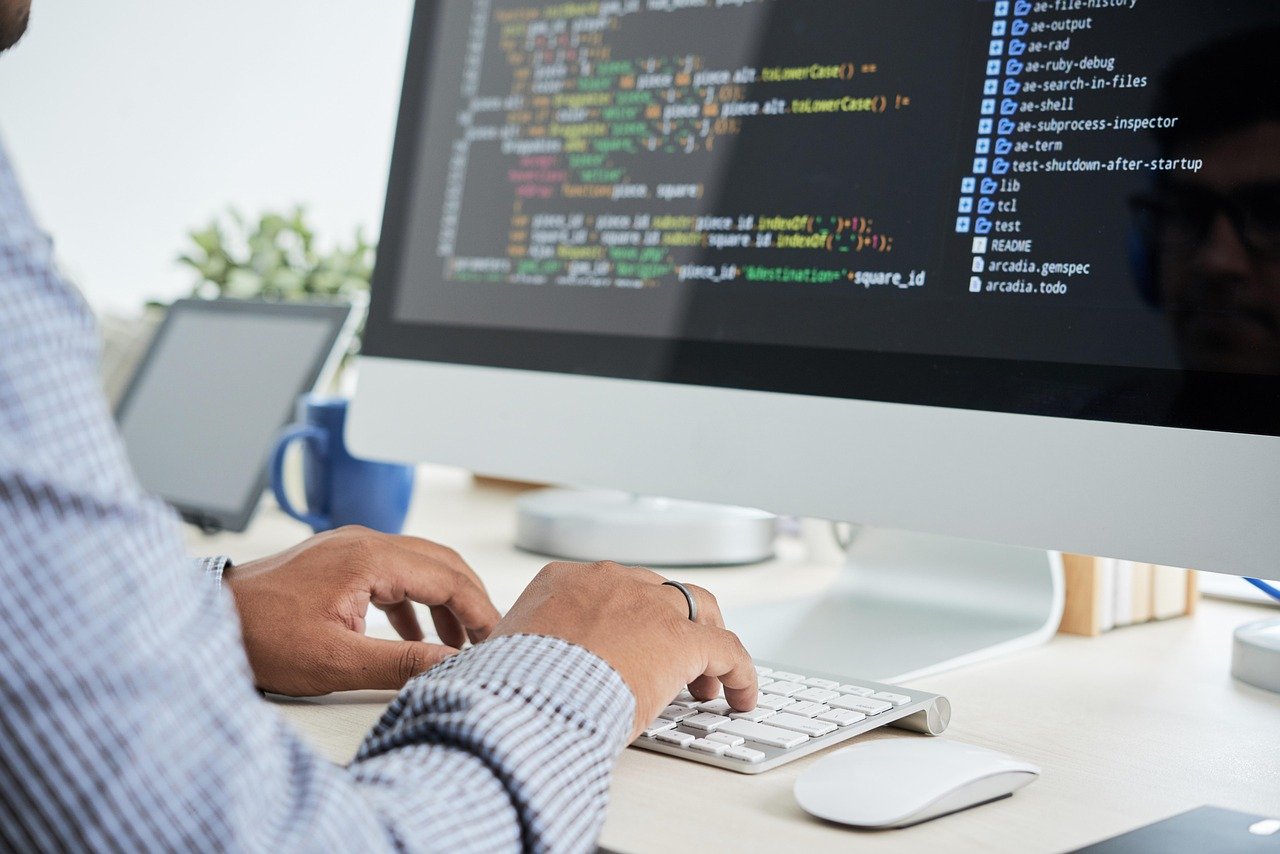
In an age where social media platforms have become a nexus for programming communities, the rise of “ProgramGeeks” — ambitious coders, developers, and tech-enthusiasts — has created a unique subculture online. While these platforms can be powerful sources of knowledge sharing, collaboration, and inspiration, the “ProgramGeeks” social media world hides a surprising array of dangers. Beneath the surface of tutorials, success stories, and code snippets lies a dangerous confluence of security risks, manipulation, mental health pitfalls, and misinformation. In this article, we explore why the ProgramGeeks social media environment may be more dangerous than it appears.
1. Information Overload and Misinformation
For many developers and programming enthusiasts, social media is a double-edged sword. On one hand, it is a treasure trove of expert advice, cutting-edge frameworks, and real-world project stories. On the other hand, the sheer volume of content can be overwhelming, especially for beginners. According to community writers, the constant exposure to content makes it hard to separate high-quality, reliable resources from misleading or half-baked tutorials.
Misinformation is another serious concern. In the programming world, sharing code that is poorly tested, insecure, or simply wrong can propagate and be adopted uncritically, leading to bad habits, security vulnerabilities, and wasted effort. Social media amplifies this risk, since unverified code examples can spread quickly, and inexperienced developers may use them without understanding their flaws.
2. Security and Privacy Threats
ProgramGeeks, by their nature, often share technical details, project architectures, or snippets of code on social networks. But this openness can be dangerous. Social media is rife with lurking security threats — phishing attacks, malware distribution, and fake profiles are common ploys used by malicious actors.
A particularly insidious risk is social engineering, a technique that cleverly manipulates human trust rather than relying on purely technical exploits. Attackers can impersonate well-known developers, create false personas, or pose as contributors in order to trick programmers into divulging credentials or clicking malicious links.
Identity cloning is another threat: by copying or mimicking an active developer’s social media identity, attackers can trick followers into believing a malicious link or request comes from a trusted source. Together these tactics present serious privacy and security challenges that many developers underestimate.
Project Exposure and Intellectual Property Risks
One of the appeals of ProgramGeeks social platforms is the ability to showcase personal or open-source projects. But sharing too freely can backfire. When developers post detailed project plans, architecture diagrams, code snippets, or even design discussions online, they may inadvertently expose proprietary or sensitive information. This could lead to intellectual property theft, reverse engineering, or even exploitation by more unscrupulous actors.
In addition, developers may inadvertently leak security-critical information — API keys, credentials, or system configurations — in their posts or open repositories. Such leaks can be mined by attackers to gain access to private systems. This kind of exposure is especially dangerous because it often happens not through careless mistakes, but rather from a genuine desire for collaboration or recognition.
Surveillance and Profiling
Social media platforms collect massive amounts of data. Every post, like, share, or comment contributes to a user’s digital footprint. These digital traces are not just for social connection — they are valuable assets for corporations, advertisers, and even malicious entities. Platforms perform profiling, data mining, and predictive analysis to build detailed user profiles.
For ProgramGeeks, this means that their professional interests, frequent topics of discussion, and even code preferences can be tracked, analyzed, and leveraged. In more extreme cases, this data can be used to infer sensitive attributes, track developers across multiple platforms, or even reconstruct their network of collaborators.
Mental Health and Psychological Risks
ProgramGeeks who are deeply active on social media can fall prey to the invisible, but powerful, psychological stressors of online community life. The pressure to post impressive projects, follow the latest trends, or show constant progress can lead to burnout, anxiety, and imposter syndrome.
Additionally, the very nature of social validation in these communities — likes, retweets, endorsements — may drive unhealthy comparison. When every developer seems to be releasing a groundbreaking library or landing a high-profile job, it’s easy for newcomers or even mid-level programmers to feel left behind or underwhelming by comparison.Another concern is addictive behavior. Excessive use of social media has been linked to negative mental health outcomes, especially when users rely on platforms for both professional interaction and personal identity.
Manipulation and Algorithmic Bias
Social media platforms are governed by algorithms that curate what users see. These algorithms don’t operate in a vacuum — they are driven by engagement metrics, advertising objectives, and content popularity. As a result, the content that programming communities engage with is curated to maximize retention, not necessarily to encourage learning or critical thinking.
This curation can reinforce certain frameworks, technologies, or viewpoints simply because they generate more clicks or are trending, rather than because they are objectively better or more secure. Over time, algorithmic bias may skew the conversation, promoting superficial or clickbait technical content over deeply thoughtful or rigorously tested ideas.
Networking Risks: Toxicity and Harassment
While social media can be a place of collaboration, it can also be a space for harassment, trolling, and toxicity. Developers might share their work only to face harsh criticism, plagiarism, or unconstructive feedback. The anonymous or pseudonymous nature of many platforms reduces accountability, which can embolden bad behavior.
For new or less confident programmers, this hostile environment can be especially discouraging. They may disengage, stop sharing, or even abandon promising projects. Even worse, the reputational damage from a poorly received post or a flame war can have real-world consequences for careers and confidence.
Long-Term Consequences for Trust and Reputation
Once something is shared on social media, it’s rarely forgotten. A code snippet, a controversial opinion, or a poorly worded post can linger indefinitely. For ProgramGeeks, this permanence poses a significant risk: future employers, collaborators, or clients may judge them based on their online persona.
Furthermore, as developers accumulate more social media content, they may find their public identity diverging from their private professional goals. Mistakes, misinterpretations, or even malicious repostings can damage a developer’s reputation in ways that are difficult to control or reverse.
Reduced Focus and Productivity
The lure of social media can pull developers away from their actual work. Instead of coding, debugging, or learning deeply, many find themselves distracted by notifications, trending posts, or ongoing debates. The cognitive load of switching back and forth from social media to development can degrade concentration, reduce productivity, and fragment one’s learning journey.
What starts as a quick check for community updates can spiral into hours of passive scrolling. Over time, this pattern erodes the discipline and focus that successful programming often requires. For ambitious “ProgramGeeks,” this is a subtle but powerful barrier to long-term growth.
Mitigating the Danger: What ProgramGeeks Can Do
To navigate this treacherous social media terrain safely, “ProgramGeeks” should adopt a strategy that combines awareness, discipline, and security:
- Be selective about what you share: Limit exposure of sensitive project details, credentials, or proprietary architecture in public posts.
- Harden your privacy settings: Use strong passwords, enable multi-factor authentication, and regularly audit your account permissions.
- Verify content before trusting it: Don’t accept every code snippet or tutorial at face value. Critically evaluate its source, security implications, and real-world relevance.
- Build healthier social media habits: Allocate specific times for browsing, set boundaries, and prioritize focused programming sessions.
- Guard your mental health: Recognize the stress of comparison and validation. Limit interactions that feel toxic or draining, and remember that a developer’s worth isn’t solely tied to online affirmation.
- Use secure networks: Avoid logging in to social media from untrusted devices or public Wi-Fi; protect your sessions against eavesdropping and credential theft.
- Contribute responsibly: When you share code or ideas, make sure they’re well-considered, documented, and respectful of intellectual property boundaries.
Conclusion
The social media landscape for ProgramGeeks is rich with opportunity — but it is far from risk-free. From malicious actors exploiting human trust to algorithmic biases shaping technological trends, the dangers are subtle yet profound. The pressure to perform, the traps of oversharing, and the potential for burnout all contribute to a heightened threat environment.
Yet, with awareness and deliberate action, these risks can be mitigated. Programmers can enjoy the community, learning, and inspiration that social platforms offer — without sacrificing their security, privacy, or mental well-being. In the end, the key lies in balancing openness with caution, ambition with restraint, and connection with self-protection.
