
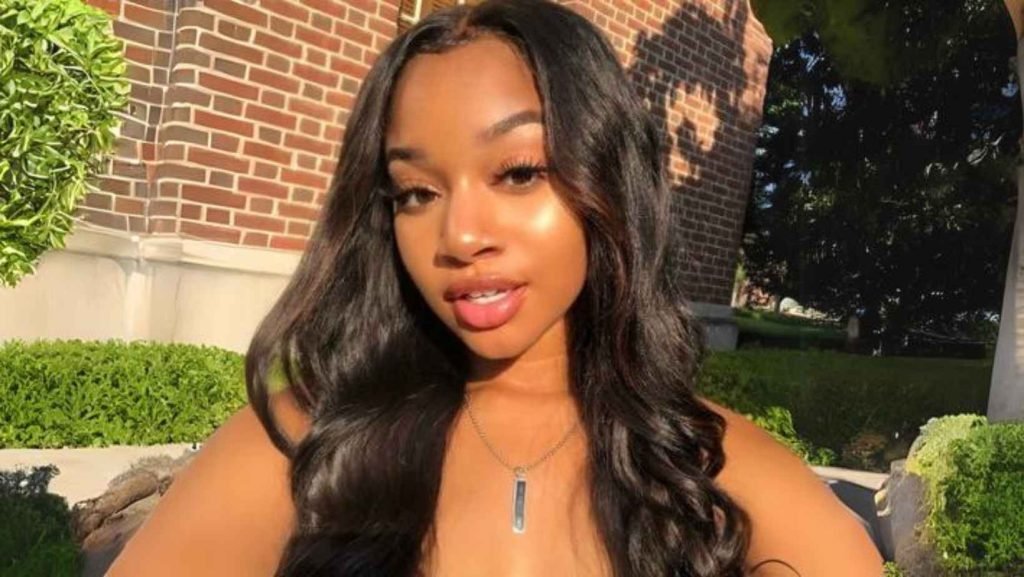
In today’s hyper-connected world, the phrase “baddie huh” isn’t just a flippant compliment — it can hide a deeper, more dangerous truth. While “baddie” has evolved into slang for someone who is confident, stylish, and attractive, its modern usage sometimes conceals manipulation, power plays, and toxic behavior. To understand why “baddie huh” can be the most dangerous check (or warning), we need to dive into the layered nature of this identity.
What Is a “Baddie”?
Originally, the word baddie referred to a villain or opponent. But the slang meaning shifted in recent years: now, a baddie typically describes someone—often a woman—who is confident, beautiful, and socially influential. In social media culture, a baddie aesthetic means impeccable makeup, bold fashion, and a poised but unapologetic presence.
This transformation didn’t just rebrand the term; it amplified certain traits like self-assuredness, power, and visibility. For many, being a “baddie” is now a form of empowerment, a way to claim space and sublimely weaponize femininity.
The Allure: Why People Gravitate Toward the Baddie
1. Confidence as Power
At its core, modern baddie culture prizes confidence — not arrogance, but a deep self-belief. This kind of inner strength draws others in, because it projects that the person knows what they want, and they’re not afraid.
2. Social Media as a Stage
Baddies often command attention online. Their posts, style, and attitude become curated performances, which can translate into real-world influence. What starts as aesthetic sometimes becomes a platform — for business, activism, or building a personal brand.
3. Community and Validation
The baddie identity also fosters a sense of community. Many who embrace it support and celebrate each other, forming networks of mutual admiration. This positive reinforcement can be very empowering — but it also strengthens the persona.
The Dark Side: Why “Baddie Huh” Can Be Dangerous
Despite its glamorous image, the baddie identity can mask serious risks. Here’s why “baddie huh” isn’t always harmless praise — it can be a subtle red flag.
1. Superficial Identity vs. Inner Intent
The emphasis on appearance and aesthetic can make the baddie persona shallow. When self-worth is tied to looks, followers, or influence, the drive to maintain that flawless image can lead to insecurity, burnout, or emotional instability. Critics argue that the baddie archetype often promotes superficiality over substance.
2. Weaponized Femininity
Being a baddie isn’t just about looking good — it’s about taking control. But that control can be manipulative. For some, flirtation, confidence, or beauty become tools to exert power. Attention is currency. For others, their social media isn’t just an outlet—it’s a battleground. Lines blur between genuine self-expression and psychological games, which can make relationships fraught.
3. The Aesthetic Trap
When being a baddie becomes a lifestyle, it can trap the individual into constant performance. There’s pressure to always look good, act strong, and never show vulnerability. That tension can erode mental health. As the persona grows, it may force the individual to maintain a facade even as real struggles simmer beneath.
4. Toxic Competitive Culture
While some baddie spaces are supportive, others can turn hyper-competitive. The pressure to “stay on brand” pushes people to measure their worth in likes, follows, and engagement. That can foster jealousy, comparison, and rivalry — especially among young women who feel they must compete to be seen and validated.
5. Misinterpretation and Danger in Real Life
Sometimes the baddie identity is fetishized or misunderstood. People may assume “baddie” means someone is always “bad” in a dangerous or reckless way — and behave accordingly. In more extreme cases, the persona can attract attention from unhealthy admirers or provoke envy and conflict. On social media, this dynamic can escalate quickly and dangerously.
Why “Baddie Huh” Is the Most Dangerous Check
When someone says “baddie huh”, it’s not always just a compliment — it can be a subtle test.
- Testing reactions: The phrase might be used to gauge how someone reacts to being labeled that way — whether they lean into it or shy away.
- Implicit power play: By calling someone a “baddie,” the speaker could be acknowledging or even challenging their influence, attractiveness, or strength.
- Invitation or warning: It could be an invitation to deepen a connection (“Yes, I see you”) or a veiled warning (“Be careful, because I know what you’re capable of”).
- Pressure to maintain: Once someone is labeled a baddie, there’s a pressure to live up to it. That can push a person into compensating for the identity with even more extreme behavior.
Because of this ambiguity, the phrase “baddie huh” can be a turning point — a moment where admiration crosses into manipulation, or empowerment shifts into intimidation. Recognizing this is key to understanding why it’s “most dangerous.”
Navigating the Danger: How to Protect Yourself
Given these risks, how can someone safely engage with or embrace the baddie identity — or navigate relationship dynamics when “baddie huh” shows up?
- Know your value: Understand that self-worth is not just what others perceive. Acknowledge your strengths, dreams, and vulnerabilities — not just the parts you present to the world.
- Set boundaries: If someone uses “baddie” in a way that makes you uncomfortable, call it out. Define what you’re okay with and what feels manipulative.
- Balance image and authenticity: Don’t let your persona drown out your real self. It’s okay to present yourself with confidence — but also to show weakness, uncertainty, or growth.
- Be cautious with social media: Remember that online personas are curated. Not everything you see is real, and not every compliment carries pure intentions.
- Evaluate relationships: Watch out for people who value you only for your “baddie” image. Look for those who respect and care for the person behind the aesthetic.
Conclusion: The Dual-Edged Sword of the “Baddie Huh” Label
The rise of the baddie is a fascinating cultural phenomenon — one that speaks to empowerment, self-expression, and style. But the very qualities that make someone a baddie also make them vulnerable: the pressure to maintain, the seduction of influence, and the risk of being objectified or manipulated.
When someone says “baddie huh,” it might seem like harmless recognition. But beneath that phrase can lie a challenge, a test, or even a threat. Understanding the dual nature of the baddie identity — both its power and its peril — is essential for navigating modern relationships and self-image.
In a world driven by appearances and validation, the most dangerous moments are the ones that look like praise. And “baddie huh” is one of them.
