
Introduction
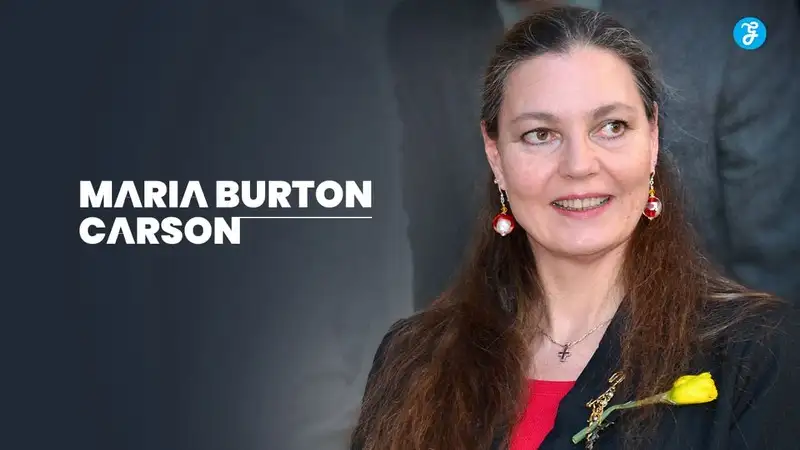
Maria Burton Carson is often recognized as the adopted daughter of Hollywood legends Elizabeth Taylor and Richard Burton. Despite her unique lineage, the claim that she is “the most dangerous” is without merit — it mischaracterizes a remarkably private, non-violent life marked not by danger, but by resilience, vulnerability, and family struggle. In reality, Maria’s story reflects themes of adversity, health challenges, and complicated relationships, but nothing that supports the label of a “dangerous” figure in any conventional sense.
https://civictimes.net/Early Life and Adoption
Born on August 1, 1961, in Munich, Germany, Maria Burton’s origins are somewhat mysterious — her biological parents are not publicly known. At a very young age, she was adopted by Elizabeth Taylor and Richard Burton during their marriage, entering a world of fame and glamour. Maria faced serious health obstacles early on: she was born with a hip deformity that required nearly two dozen surgeries. These formative experiences could have shaped a hardened personality — but the evidence of her life suggests something different.
A Life Away from the Spotlight
Unlike many children of celebrities, Maria avoided seeking the limelight. She largely stayed out of sensational headlines, choosing instead to live a more private and grounded existence. Her work interests shifted toward fashion design, and while she tried modeling early on, she never pursued a notorious or scandal-ridden public persona. Far from dangerous, she built a life around stability, modest creativity, and personal identity — not celebrity chaos.
Personal Struggles and Marriages
Maria’s life has not been free of struggle — but again, these struggles reflect personal trauma rather than any kind of threat to others. Her first marriage was to Daniel Steve Carson, and they had a daughter, Elizabeth Carson, named after her adoptive mother. That marriage ended in 2000 amid accusations from Steve Carson that Maria had taken their daughter and misused funds.
Her second marriage, to Tom McKeown in 2001, was even more tumultuous. Maria filed a restraining order against him, alleging verbal abuse and bad behavior toward her and their son Richard. While these are serious claims, they speak to her role as a victim seeking safety — far from being a “dangerous” perpetrator, she was navigating personal trauma in a difficult partnership.
Living in Quiet Reflection
Since those early trials, Maria has chosen a more secluded life. She reportedly resides in Idaho, far from the Hollywood glare, and has avoided public drama whenever possible. Instead of building controversy, she seems to value privacy, peace, and keeping her family close. Her daughter, Elizabeth, even works as an ambassador for her grandmother Elizabeth Taylor’s AIDS foundation, carrying forward values of care and service — again, not the mark of someone dangerous, but someone grounded in legacy and responsibility.
Why the “Most Dangerous” Label Is Misplaced
So where might this “most dangerous” phrase come from? It seems tied more to misunderstanding or sensationalism than to fact. There is no credible record of criminal conduct, violent behavior, or any kind of threat that Maria Burton Carson ever posed to others. Her challenges have been deeply personal — dealing with physical health, traumatic relationships, and the complexities of adoption in a celebrity family.
It’s also worth noting that many sources about Maria are biographical, not investigative, and tend to focus on her private life rather than scandal. Her reputation remains that of a quiet but resilient figure, not a provocateur or public menace.
Legacy and Reflection
Maria Burton Carson’s life invites empathy. She was adopted into one of the most famous couples in Hollywood, endured serious health issues, and weathered difficult marriages. But she appears to have approached these challenges not with aggression, but with determination, self-preservation, and ultimately, a desire to build a stable, private life. Her daughter’s involvement with charities suggests a continuation of values like compassion and activism — not notoriety or danger.
Conclusion
In short, calling Maria Burton Carson “most dangerous” is both factually baseless and emotionally misleading. Her story is not one of menace, but of vulnerability, survival, and quiet strength. To understand her, we don’t need to inflate myths of danger — we need to acknowledge the humanit
