
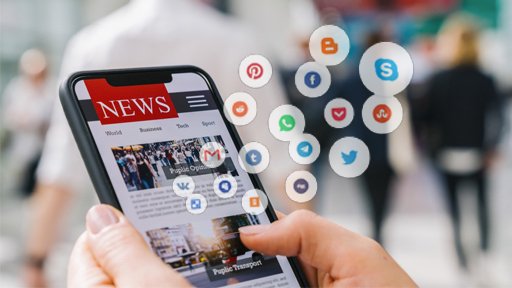
In the digital age, social media has become a primary source of news for millions. Platforms like Facebook, Twitter, TikTok, and Instagram provide instant access to information—but this convenience comes with a dark side. Contrary to the optimistic narratives about democratized information, social media news can often be one of the most dangerous forces in modern society. Below, we explore why social-media-based news presents serious risks, how it affects individuals and communities, and what can be done to counter its harm.
The Spread of Misinformation and Fake News
The very structure of social media encourages rapid dissemination of content—whether that content is true or not. False stories, rumors, and misleading headlines can spread like wildfire because they often tap into strong emotions like fear, anger, or outrage. These emotionally charged messages are more likely to be shared, commented on, and liked, fueling a viral spread.
Fake news on social media is not just harmless clickbait: it often mimics legitimate journalism. It’s crafted to appear credible, making it difficult for many users to distinguish real from fabricated. When such fake news becomes widespread, it undermines public trust in reliable information sources and degrades the quality of public discourse.
Psychological Impacts on Users
Beyond misinformation, social media news poses significant psychological risks. Fake news can generate stress, fear, and anxiety — especially when related to health crises or security threats.
For example, during the COVID-19 pandemic, many users reported heightened levels of worry because of conflicting and false health messages. A study on the psychological factors behind fake news shows that many people spread rumors simply because they don’t thoroughly check the content, often acting on impulse or strong emotion.
Addictive Behavior and Vulnerability to False Content
Research indicates a troubling relationship between excessive social media use and susceptibility to fake news. People who engage with social media excessively—often to the point of distress or impaired functioning—are more likely to believe and spread misinformation.
In simpler terms: the more someone is “hooked” on consuming social media, the more vulnerable they are to accepting and sharing false stories. This creates a dangerous feedback loop. Instead of thinking critically, users are drawn toward sensational or emotionally charged content, reinforcing their addiction and increasing the spread of low-credibility information.
Algorithm-Driven Echo Chambers
One of social media’s most harmful features is its personalization algorithm. These algorithms often feed users with content that aligns with their past behavior and beliefs. Over time, this creates so-called “echo chambers” — isolated bubbles where people see only what they already agree with.
In these narrow feedback loops, users don’t get exposed to diverse perspectives or voices. Without interacting with opposing viewpoints, their tendency to confirm existing beliefs intensifies. This reduces critical thinking, making them more susceptible to fake news.
Erosion of Trust in Institutions
Constant exposure to misinformation doesn’t only confuse individuals; it can erode trust in vital social institutions. According to research, the more people engage with fake news or content about misinformation, the less they trust traditional media outlets, fact-checkers, and even scientists.
When social media amplifies unverified claims or conspiratorial content, it undermines authority figures who provide evidence-based information. This trust erosion poses a grave threat to democracy, public health, and social cohesion.
Emotional Manipulation and Polarization
Fake news creators often exploit emotions—especially anger and fear—to push their agenda. Studies show that such emotional manipulation drives the spread of incorrect or inflammatory content.
Through social media, this emotionally charged content reaches millions, polarizing communities. By targeting specific populations or beliefs, misinformation can deepen social divides and encourage ideological extremism.
Deepfakes and Technological Deception
Beyond written misinformation, the rise of synthetic media—such as deepfake videos—makes things even more dangerous. Deepfakes can convincingly mimic public figures endorsing harmful or false messages, creating a powerful tool for deception. For instance, there have been reports of AI-generated videos featuring well-known personalities promoting fake medical cures, which can seriously mislead vulnerable users.
As these technologies become more accessible, the potential for large-scale manipulation through visual content grows—magnifying the risks that come with traditional fake news.
Social Consequences: Violence and Real-World Harm
Misinformation on social media isn’t just an online problem — it has real-world implications. False or distorted news can incite fear, hatred, and even violence. Whether it’s false reports about crime, health crises, or political events, misleading content can trigger panic, stigmatization, or unrest.
In extreme cases, rumors spread via social media have led to mob violence, vigilantism, and communal clashes. The stakes are high: misinformation doesn’t only misinform—it can also mobilize people to act based on false or manipulated narratives.
The Challenge of Fact-Checking and News Literacy
One key obstacle in combating the danger of social media news is the low level of news literacy among users. Many people don’t pause to verify the content they see; instead, they share posts based on headline appeal or emotional reaction.
Even when fact-checkers issue corrections, the misinformation often has already spread too far. Real change requires equipping users with better critical thinking skills, encouraging them to question sources, and promoting a habit of fact-checking. Studies suggest news literacy strongly influences whether users intend to verify health-related information.
What Can Be Done: Solutions and Safeguards
Recognizing the danger is one thing — acting on it is another. Here are several steps that could help reduce the risk posed by social media news:
- Media Literacy Education: Schools, universities, and community organizations must promote curricula that teach how to critically evaluate online content, detect bias, and assess source reliability.
- Platform Responsibility: Social media companies should rethink how they display engagement metrics (likes, shares) to avoid amplifying low-credibility content. arXiv They also need stronger moderation systems to identify manipulated media like deepfakes.
- Independent Fact-Checking: Partnerships between platforms and independent fact-checking organizations must be strengthened. Users should be nudged to verify before sharing, especially when information is sensational or emotionally charged.
- Policy and Regulation: Governments and regulatory bodies must consider frameworks that hold platforms accountable for the spread of misinformation, without curbing free expression.
- Promoting Trustworthy News: Rebuilding trust in credible institutions — from scientific bodies to news organizations — is essential. Transparent, accurate, and timely reporting can counterbalance sensational misinformation.
Conclusion
Social media news is a double-edged sword. While it has empowered individuals to access and share information instantly, it also opens the door for manipulation, emotional exploitation, and widespread falsehoods. Because of the fast pace, algorithm-driven spread, and the emotional hooks used in fake content, social media news poses some of the most serious risks to individual well-being and societal trust.
If left unchecked, the consequences could be profound: a fragmented public, weakened trust in institutions, and a populace easily swayed by false narratives. But with collective effort—through education, better platform design, and thoughtful policy—we can mitigate these dangers and reclaim social media as a force for informed, constructive dialogue rather than a breeding ground for misinformation.
