
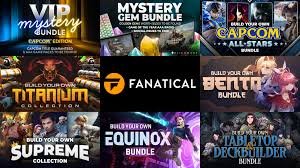
What Are Game Bundles — and Why They’re Popular
At their core, game bundles gather together a set of different games (often from indie developers) and offer them as a package at a steep discount or with a pay‑what‑you‑want model. This is similar to the “fun packs” in cereal marketing — you get a variety of small games for low cost; sometimes you love them, sometimes you don’t. It’s a model that lowers the per‑game cost and encourages purchases by the hundreds of thousands or even millions.
This model has helped to make gaming more accessible, especially on PC and for smaller indie titles. For many people, bundles represent a bargain: instead of paying full price for a single game, they get dozens (or more) of titles for just a few dollars. For indie developers, bundles can be a marketing tool — a way to get their games in front of many players who might otherwise never hear of them.
But just like too‑cheap cereal with old marshmallows, what looks like a bargain often comes with hidden costs — to the buyer, to developers, and even to the health of the gaming ecosystem.
The Risks for Buyers
Unreliable or Fraudulent Keys
Many bundles — especially those offered by dubious third‑party sellers or “grey‑market” websites — include game keys whose provenance is unclear. These keys may have been obtained using stolen credit cards, regional price arbitrage, or other unscrupulous means. In such cases, once the original purchase is flagged as fraudulent, the publisher can revoke the keys — leaving buyers with nothing despite having paid money.
This isn’t a rare hypothetical. Developers have in the past had to revoke thousands of keys bought with stolen credit cards, affecting innocent gamers who bought them in good faith.
Even when keys work initially, there is no guarantee they will remain valid indefinitely. Buyers might lose access months after purchase — and often there’s no recourse.
Security Threats: Malware, Scams and Phishing
Bundles — particularly those labeled as “free” or “too cheap to be true” — are a magnet for scammers. Fake download links, phony bundle offers, or dubious mod packages can contain malware, viruses, spyware, or ransomware. Accepting such a “deal” can lead to stolen credentials, compromised accounts, or worse: identity theft or financial fraud.
Even if the offer isn’t overtly malicious, the risk remains: many “mystery key bundles” come from sellers that are not vetted. Users might believe they’re supporting indie developers — but often the source of keys is shady.
Poor Value: Overpromised, Under‑delivered
Many bundles promise “AAA games” or well‑reviewed titles, but deliver mostly cheap, low‑quality games — sometimes called “shovelware.” In mystery bundles, especially, buyers gamble on luck: maybe there’s a gem inside, but chances are they’ll end up with a handful of forgettable games.
Some purchasers report that after activating a bundle, many of the included games feel like filler — barely developed, poorly optimized, or outright abandoned. That “bargain” ends up being little more than a pile of disappointing downloads.
The Ethical and Industry‑Wide Costs
Undermining Developers — Especially Indies
Bundles can undermine the financial viability of game creators. When keys from bundles are resold on grey‑market sites, developers often receive nothing — or worse, lose money in chargebacks.
For smaller indie developers, whose livelihood may depend on each sale, this is especially damaging. They rely on legitimate purchases and support from gamers. When buyers flock to cheap bundles or grey‑market keys, it erodes that support.
Moreover, the “race to the bottom” in pricing — triggered by bundles — helps devalue games overall. If consumers expect games to be sold for only a few euros/dollars, developers may feel pressured to drop prices, accept unfair deals, or produce low‑effort games just to stay visible.
Market Distortion and Long‑Term Consequences
Bundles can distort the value of games in the broader digital marketplace. When games are repeatedly sold at rock‑bottom prices, it becomes hard to judge what a “fair price” really is. This undermines normal retail sales, future full‑price releases, and even perception of value among players.
Additionally, when gamers bulk‑buy bundles (sometimes hundreds of titles at once) but never play or support the games, that distorts sale statistics. Developers may think their games are popular (because of high purchase numbers), but actual engagement and retention may remain low — harming their ability to justify future projects.
Why Some Bundles Are Worse Than Others — Recognizing the Red Flags
Not all bundles are inherently bad. Indeed, some are run by reputable distributors who work directly with developers or publishers. But many risks stem from who is offering the bundle and how the keys are sourced. Here are indicators that a bundle might be dangerous:
- The bundle comes from a third‑party “key reseller” rather than an authorized store or the official publisher.
- The keys are heavily discounted — much lower than even typical sales; often “too good to be true.”
- The bundle is a “mystery” or “random key” pack: you don’t know ahead of time what games you’ll get.
- There is no guarantee of support, future updates, or refunds if keys are revoked.
- The site offering the bundle has poor reviews, unsecure payment systems, or lacks transparency about key origin.
When bundles check one or more of these boxes, the danger goes up — both for buyers and for the integrity of the gaming ecosystem.
Safer Alternatives — How to Enjoy Bundles Without Getting Burned
If you like the idea of bundles and really want to support indie developers or get a deal — that’s not inherently wrong. But take steps to make sure you don’t fall into the trap. Here’s how to do it better:
- Buy from official or authorized platforms only. Established bundle distributors that work directly with developers or publishers tend to use legitimate keys, so you’re not risking revocation.
- Avoid mystery key bundles or “random key” packages from unknown sellers. If you can’t see what games you get before purchase — skip it.
- Check for regional or licensing restrictions: if keys are region-locked or sold cheaply due to regional price differences, they might not work in your locale.
- Look into developer feedback: some devs publicly discourage reselling of bundle keys — which can help you distinguish ethical offers from shady ones.
- Treat any very cheap deal as suspect: if the price is unbelievably low, consider whether the risk is worth it.
By choosing responsibly, you can still enjoy the occasional bundle — but you avoid the worst pitfalls.
Why Game Bundles — Despite Their Flaws — Are Tempting
It’s important to recognize why game bundles remain popular and attract so many buyers.
- For gamers on a budget, bundles offer access to many games at once — a cost-effective way to explore indie titles.
- For indie developers, bundles remain a marketing tool. They can bring visibility to games that otherwise might never stand out amid the sea of new releases. Bundles can also attract players from different platforms (Windows, Mac, Linux), and spread games beyond just the mainstream channels.
- For gamers who enjoy variety over depth — perhaps playing many small games rather than spending hours on big titles — bundles can provide a steady stream of entertainment.
In theory, bundles should be a win-win: gamers get cheap games, developers reach new audiences. But in practice, the “grey‑market middleman,” questionable key distribution, and resale practices often corrupt that ideal.
The Bottom Line: Game Bundles Are a Danger Zone — Treat Them Accordingly
Game bundles might look like a fantastic deal at first glance — but they carry serious hidden risks. From fraudulent or revoked keys to malware or scams, from undermining indie developers’ livelihoods to distorting the broader gaming market, the dangers are numerous and substantial.
If you choose to use bundles, you must be extremely careful: verify the legitimacy of the seller, ensure keys are genuine, and avoid random‑key mystery packs. Treat every “too cheap” offer with skepticism.
In many ways, game bundles are among the most dangerous traps in digital gaming — not because the games themselves are bad, but because the system around them can be built on unethical, unstable, or outright illegal practices. Approach with caution — and always think two or three times before clicking “buy.”
