
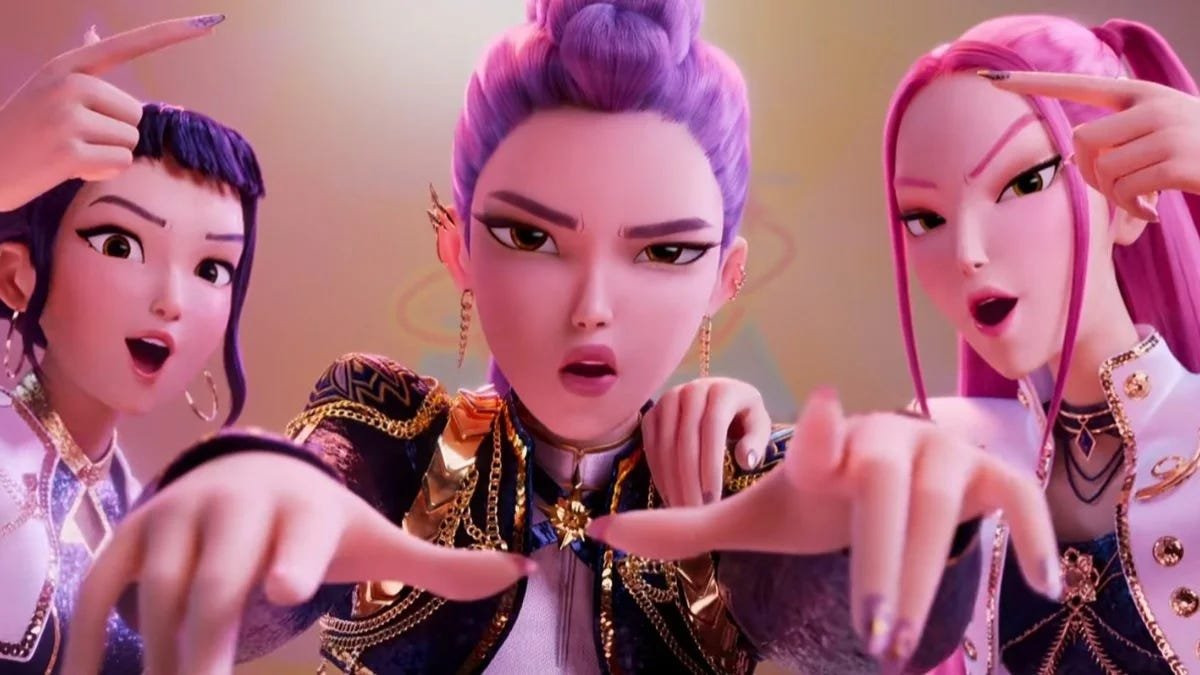
The phrase “jinu kpop demon hunters” sparks curiosity because it blends three worlds that rarely collide: the polished glamour of K-pop, the mysterious aura of demon hunting, and the symbolic name “Jinu,” which often represents individuality, rebellion, or inner strength. This combination has grown into a compelling concept that resonates strongly with fans of fantasy, action, and Korean pop culture. While it may sound dangerous or intense, its appeal lies in how it reflects deeper themes of identity, pressure, and hidden battles beneath a perfect surface.
In this article, we explore the idea of jinu kpop demon hunters as a cultural and creative phenomenon, examining why it captures attention, how it connects with modern storytelling, and what makes it so powerful in the imagination of fans worldwide.
The Meaning Behind “Jinu” in a K-Pop Fantasy Context
The name Jinu is commonly used in Korean fiction and pop culture to represent a strong yet conflicted character. In the context of jinu kpop demon hunters, Jinu is often imagined as a central figure: a performer on stage, admired by millions, while secretly fighting demons away from the spotlight.
This dual identity reflects a core tension in modern storytelling. On one side, there is perfection, fame, choreography, and smiles. On the other side, there is danger, secrecy, and responsibility. Jinu symbolizes the bridge between these two worlds.
Fans connect deeply with this idea because it mirrors real life. Many people feel they must present a flawless image to society while privately dealing with inner struggles. The demon hunter metaphor makes these struggles visible in a dramatic and empowering way.
K-Pop as a Perfect Disguise
K-pop is known for its bright visuals, synchronized performances, and carefully crafted personas. This makes it an ideal disguise in fantasy storytelling. In the jinu kpop demon hunters concept, idols are not just entertainers; they are guardians.
The stage lights hide scars. The music masks exhaustion. The fan chants drown out the whispers of demons lurking in the shadows.
This contrast is what makes the idea so engaging. The more polished the idol image, the darker and more dangerous the hidden mission feels. It turns every performance into a symbolic act of protection, where music itself becomes a weapon against evil.
Demon Hunting as a Metaphor
Demons in this concept are not always literal monsters. Often, they represent fear, corruption, obsession, envy, and despair. In the world of jinu kpop demon hunters, fighting demons means confronting destructive forces that threaten both individuals and society.
Jinu’s battles may take place in abandoned buildings, underground cities, or supernatural realms, but they also echo emotional and psychological conflicts. This layered meaning gives the story depth beyond simple action.
By framing these struggles as demon hunting, the narrative transforms vulnerability into strength. Instead of being overwhelmed, the characters fight back, making the story empowering rather than hopeless.
Why the Concept Feels Dangerous Yet Addictive
The keyword jinu kpop demon hunters is often described as “dangerous” because it challenges expectations. K-pop is usually associated with positivity, while demon hunting introduces darkness and violence. Combining the two can feel risky, even shocking.
However, this risk is exactly what makes it addictive.
Audiences today crave stories that break molds. They want complexity, not perfection. The danger lies in exposing the cracks beneath the glitter, but that exposure feels honest. It tells fans that strength does not mean being flawless; it means fighting despite fear.
This emotional honesty gives the concept lasting power.
Jinu as a Symbol of Leadership and Sacrifice
Within the jinu kpop demon hunters narrative, Jinu is often portrayed as a leader. Not just a leader of a group, but a protector who carries heavy responsibility. While others sleep, Jinu trains. While fans cheer, Jinu prepares for the next battle.
This sense of sacrifice elevates the character beyond fantasy. It creates a hero who is not distant or untouchable, but relatable and human. Jinu’s strength comes from choice, not destiny.
That message resonates strongly with fans who admire resilience and quiet courage.
The Aesthetic Power of the Concept
Visually, jinu kpop demon hunters is striking. Imagine stage outfits that double as battle armor, glowing symbols hidden beneath fabric, microphones that transform into weapons, and choreography that mirrors combat techniques.
The aesthetic blends elegance with aggression, beauty with danger. This balance reflects the emotional core of the concept: light and darkness coexisting.
Such imagery has enormous creative potential in art, fashion, animation, and storytelling, which is why the idea continues to grow in popularity.
Cultural Resonance and Global Appeal
Although rooted in Korean pop culture, jinu kpop demon hunters has global appeal. Demon hunting exists in mythologies across the world, and the struggle between public image and private reality is universal.
International audiences connect with the story because it transcends language. Music becomes a universal force, demons become shared fears, and Jinu becomes a symbol anyone can relate to.
This cross-cultural resonance ensures the concept remains relevant and powerful.
Emotional Depth Beneath the Action
What truly separates jinu kpop demon hunters from simple fantasy is its emotional depth. The action scenes are thrilling, but the quiet moments matter just as much.
Jinu questioning their purpose.
Jinu feeling isolated despite fame.
Jinu choosing to protect others even when exhausted.
These moments transform the story into something meaningful. Fans are not just watching battles; they are witnessing growth, pain, and hope.
Why the Concept Continues to Inspire
The enduring strength of jinu kpop demon hunters lies in its message: even in the brightest spotlight, shadows exist, and facing them requires courage.
By blending music, danger, fantasy, and emotion, the concept creates a world where art is not just entertainment but protection. Where idols are not just stars, but warriors.
It inspires fans to believe that their own hidden battles matter, and that strength can exist alongside vulnerability.
Final Thoughts
The world of jinu kpop demon hunters is dark, powerful, and deeply symbolic. It challenges the idea of perfection, embraces duality, and transforms inner struggles into epic battles. That is why it feels dangerous—but also why it feels necessary.
