
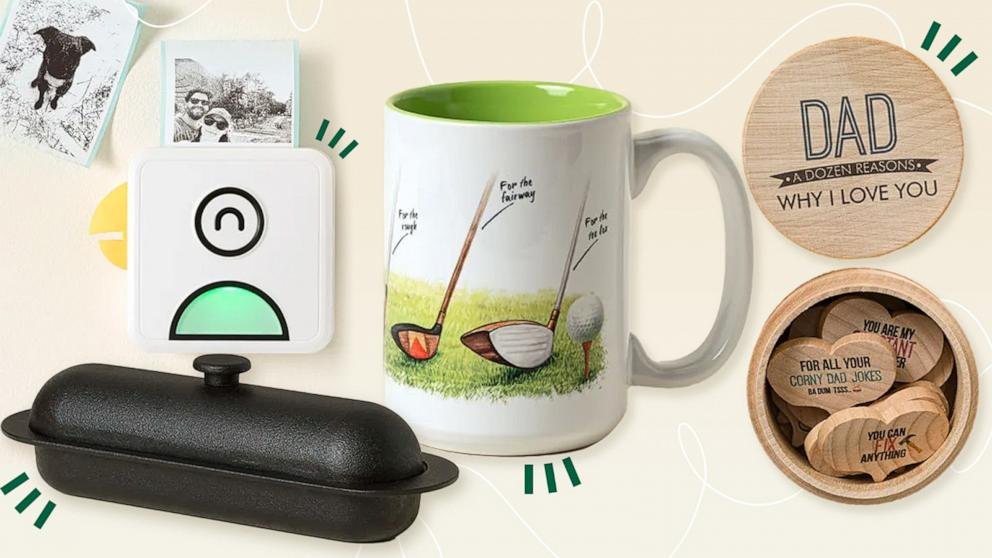
In a marketplace dominated by speed, automation, and endless sameness, the idea of uncommon goods feels both refreshing and, to some, quietly unsettling. The phrase itself suggests rarity, intention, and individuality—qualities that stand in sharp contrast to modern consumer habits. Yet uncommon goods are not just about novelty or aesthetics. They represent a deeper shift in how people think about value, craftsmanship, sustainability, and emotional connection to what they buy.
This article explores the concept of uncommon goods from multiple angles: cultural, economic, psychological, and ethical. Rather than celebrating them blindly or dismissing them as impractical, we will look honestly at why they matter, where they succeed, and where they raise difficult questions.
What Are Uncommon Goods, Really?
At their core, uncommon goods are products that deviate from standardized, mass-produced items. They are often handmade, small-batch, customized, or designed with a strong narrative behind them. What makes them “uncommon” is not just scarcity, but intention. The creator usually has a story, a philosophy, or a problem they are trying to solve in a different way.
Uncommon goods may include thoughtfully designed household items, personalized gifts, ethically sourced accessories, or functional art. These products often emphasize originality over scale and meaning over efficiency.
Why People Are Drawn to Uncommon Goods
One of the strongest drivers behind the popularity of uncommon goods is emotional resonance. In an era where consumers are overwhelmed with choices, people crave items that feel personal. Buying something uncommon can feel like an act of self-expression rather than a transaction.
There is also a growing fatigue with disposable culture. Many consumers are questioning why they should replace cheaply made items every year when they could invest in something durable and meaningful. Uncommon goods often promise longevity, both in physical quality and emotional relevance.
Another important factor is identity. Owning uncommon goods allows individuals to signal values such as creativity, environmental awareness, or support for independent makers. The product becomes a reflection of the person, not just a tool or decoration.
The Hidden Economic Impact
While uncommon goods are often associated with small creators, their economic footprint is more significant than it appears. They support micro-entrepreneurs, artisans, and independent designers who might otherwise be excluded from mainstream distribution channels.
This kind of economic activity promotes decentralization. Instead of profits flowing only to large corporations, revenue is distributed among many smaller players. In theory, this creates a healthier, more resilient economy.
However, there is a less discussed side. Because uncommon goods are typically produced in smaller quantities, they can be more expensive. This raises concerns about accessibility. Are uncommon goods only for those who can afford to pay more? Does the movement unintentionally reinforce economic divides?
Sustainability: Promise vs. Reality
Uncommon goods are often associated with sustainability, and sometimes rightly so. Small-scale production can reduce waste, encourage responsible sourcing, and avoid overproduction. Many creators prioritize recycled materials, low-impact processes, or local supply chains.
Yet sustainability is not guaranteed. Some uncommon goods still rely on long-distance shipping, specialized materials, or energy-intensive methods. The “uncommon” label does not automatically mean environmentally friendly. Conscious consumers must look beyond the story and examine the actual practices behind the product.
This tension highlights an important truth: uncommon goods are not inherently good or bad. Their value depends on execution, transparency, and accountability.
The Psychological Side of Owning Uncommon Goods
There is a subtle psychological effect that comes with owning uncommon goods. Because these items are perceived as special, people tend to treat them with more care. This can lead to reduced waste and longer product lifespans.
On the other hand, the desire for uniqueness can become a trap. When everyone seeks to be different through consumption, “uncommon” can quickly become the new normal. What was once rare becomes trendy, and the cycle repeats.
This raises a critical question: are uncommon goods truly about meaning, or are they sometimes just another form of status signaling? The answer varies from person to person.
Cultural Shifts and the Rise of the Uncommon
The growing interest in uncommon goods reflects broader cultural changes. People are increasingly skeptical of mass advertising and algorithm-driven recommendations. They want to feel agency in their choices.
Storytelling plays a major role here. Uncommon goods often come with narratives about the maker, the inspiration, or the process. These stories create connection and trust, even in a digital environment.
At the same time, this storytelling can be carefully curated. Consumers must learn to distinguish between genuine narratives and marketing-driven myths. Critical thinking is just as important as appreciation.
Challenges Facing the Uncommon Goods Movement
Despite its appeal, the world of uncommon goods faces real challenges. Scaling without losing authenticity is one of the biggest. As demand grows, maintaining quality, ethical standards, and originality becomes harder.
There is also the issue of imitation. Unique designs are often copied by larger manufacturers, undercutting original creators. Protecting intellectual and creative labor remains a persistent struggle.
Finally, creators themselves face burnout. Producing uncommon goods often requires intense personal involvement, which can be difficult to sustain long-term.
A Balanced Perspective
Uncommon goods occupy a complex space between art and commerce, ethics and economics, individuality and trend. They are neither a perfect solution to consumerism nor an empty aesthetic movement.
When chosen thoughtfully, uncommon goods can enrich daily life, support meaningful work, and encourage more conscious consumption. When approached uncritically, they can become just another label in an already crowded marketplace.
Conclusion: Why Uncommon Goods Still Matter
In a world optimized for speed and scale, uncommon goods remind us to slow down and pay attention. They challenge the assumption that cheaper and faster is always better. They invite questions about where things come from, who makes them, and why we value them.
The future of uncommon goods depends not only on creators, but on consumers willing to look beyond surface-level uniqueness. If handled with honesty and care, uncommon goods can remain genuinely uncommon—not because they are rare, but because they are meaningful.
