
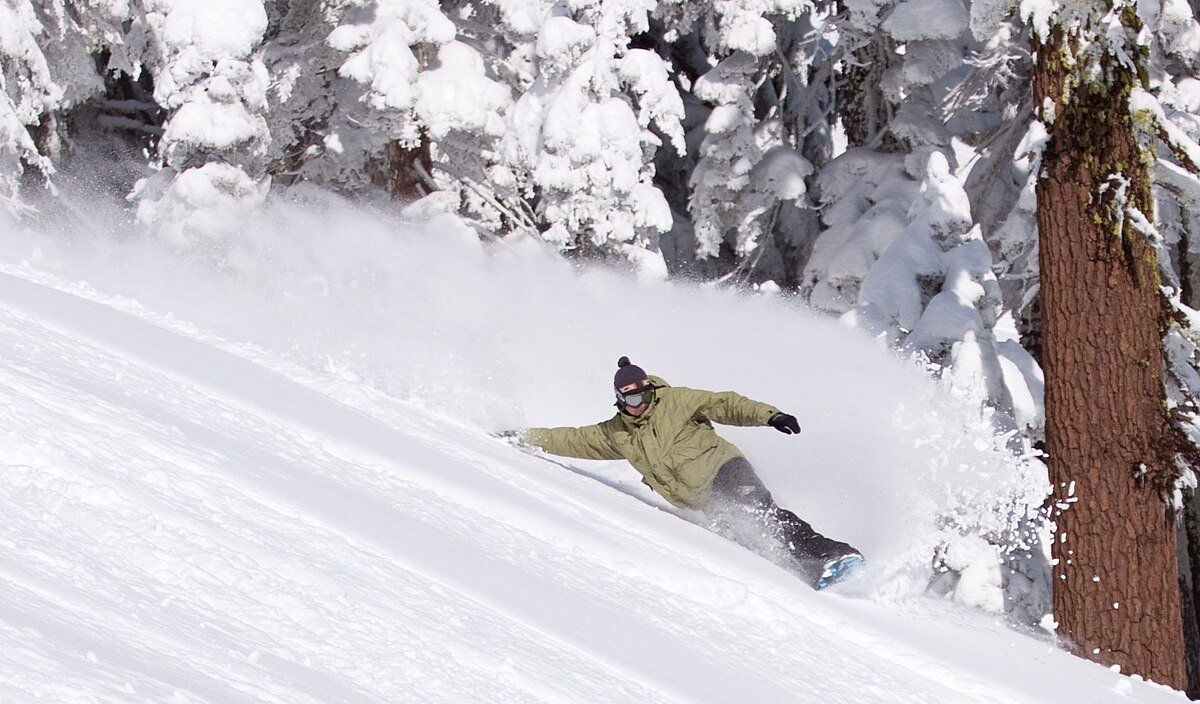
Snowboarding is an exhilarating winter sport that combines speed, skill, and creativity. From gliding down pristine powder slopes to mastering tricks in the park, snowboarding offers thrills like few other activities. However, despite its excitement, snowboarding can be very dangerous if proper precautions aren’t taken. Beginners often underestimate the risks, leading to injuries that could easily be prevented. In this article, we will explore how to snowboard safely while still enjoying every moment on the mountain.
Understanding the Risks of Snowboarding
Before stepping onto a snowboard, it’s essential to understand the potential dangers. Snowboarding involves high-speed movements, icy surfaces, and varying terrain. Common injuries include wrist fractures, shoulder dislocations, and knee ligament damage. Even experienced snowboarders are not immune to accidents caused by loss of balance, collisions, or environmental factors.
Being aware of these risks doesn’t mean avoiding snowboarding altogether. Instead, it means preparing properly, learning correct techniques, and practicing caution. Snowboarding can remain thrilling while minimizing the chance of serious injury.
Choosing the Right Gear
The foundation of safe snowboarding starts with proper gear. Wearing inadequate or ill-fitting equipment dramatically increases the risk of injury.
- Snowboard: Select a board suitable for your skill level and body weight. Beginners should avoid long or overly stiff boards, as they are harder to control.
- Bindings: Make sure your bindings are correctly adjusted to your boots. Loose or misaligned bindings can lead to falls and injuries.
- Boots: Comfortable, supportive boots are essential. They should fit snugly but not painfully tight. Proper boots improve control and reduce strain on your ankles.
- Helmet: A helmet is non-negotiable. Head injuries are among the most serious accidents in snowboarding, and helmets reduce the risk significantly.
- Protective Gear: Wrist guards, knee pads, and padded shorts are highly recommended, especially for beginners. These items can prevent fractures and bruises during falls.
- Clothing: Wear waterproof, insulated clothing to maintain warmth and prevent hypothermia. Layering is key, as temperatures can fluctuate rapidly on the mountain.
Learning Proper Techniques
Even with the right gear, improper techniques can lead to accidents. Beginners should focus on mastering the basics before attempting advanced tricks or slopes.
- Stance and Balance: Your stance—regular or goofy—should feel natural. Keep your knees slightly bent, weight evenly distributed, and head up. This posture helps maintain balance and allows you to react quickly.
- Stopping: Learning how to stop safely is crucial. Beginners often slide down slopes without knowing how to halt. The easiest method is the heel-side or toe-side stop, depending on your stance. Practice these until stopping feels instinctive.
- Turning: Turning effectively is essential for controlling speed and navigating slopes. Start with gentle turns and gradually increase your confidence and speed. Avoid sharp, sudden turns that can lead to falls.
- Falling Safely: Falling is inevitable, but you can reduce injury risk by falling correctly. Try to land on your forearms or buttocks, avoiding your wrists and head. Relax your body instead of stiffening during a fall.
- Riding Lifts: Snowboarders often struggle with chairlifts and gondolas at first. Always follow posted instructions, remain seated properly, and be cautious when exiting the lift.
Preparing Your Body
Snowboarding is physically demanding, requiring strength, flexibility, and endurance. Proper preparation can reduce the risk of injury and improve overall performance.
- Strength Training: Focus on legs, core, and lower back. Exercises like squats, lunges, and planks strengthen the muscles used in snowboarding.
- Flexibility: Stretching before and after riding prevents muscle strains. Pay attention to the hamstrings, calves, and shoulders.
- Cardiovascular Fitness: Snowboarding involves constant movement, so cardiovascular endurance is important. Activities like running, cycling, or swimming can improve stamina.
- Hydration and Nutrition: Drink plenty of water and eat balanced meals. Dehydration or low energy levels can affect focus and coordination, increasing the likelihood of accidents.
Understanding Mountain Conditions
The mountain environment itself can pose hidden dangers. Snow conditions, weather, and terrain can all influence safety.
- Snow Type: Powder snow is generally safer and softer than icy slopes, which can be slippery and unforgiving. Beginners should seek gentle, groomed slopes.
- Weather Conditions: Avoid snowboarding during heavy snowfall, high winds, or poor visibility. These conditions increase the risk of getting lost or colliding with obstacles.
- Avalanche Awareness: In backcountry areas, avalanches are a serious risk. Learn basic avalanche safety, carry the necessary equipment, and never go alone.
- Trail Etiquette: Always follow trail signs and boundaries. Riding off-limits areas may be thrilling but dramatically increases danger.
Learning from Professionals
Professional instruction can accelerate your learning and improve safety. Ski resorts often offer lessons for all skill levels.
- Beginner Lessons: Group or private lessons teach foundational techniques and safety habits. Professional guidance reduces the chance of developing bad habits.
- Advanced Coaching: Once comfortable on basic slopes, advanced coaching can help you tackle steeper terrain and learn tricks safely.
- Peer Support: Riding with friends or experienced snowboarders helps you stay aware of your surroundings and provides guidance during challenging conditions.
Mental Preparation
Snowboarding is as much a mental sport as a physical one. Confidence, focus, and awareness are critical to avoid dangerous mistakes.
- Patience: Progress takes time. Rushing to learn advanced techniques can lead to injuries. Take each skill step by step.
- Awareness: Always scan the slope ahead, observe other riders, and anticipate obstacles. This reduces collisions and surprises.
- Resilience: Falling is part of learning. Don’t let frustration lead to reckless riding. Keep a positive mindset, learn from mistakes, and maintain safety first.
Common Mistakes to Avoid
Many snowboarding injuries occur due to preventable errors. Being mindful of these common mistakes can keep your experience safe and enjoyable:
- Riding too fast for your skill level
- Ignoring proper warm-up exercises
- Overestimating your ability on advanced slopes
- Failing to wear protective gear
- Riding alone in remote areas
- Neglecting weather and snow conditions
Conclusion: Enjoy Snowboarding Without Compromising Safety
Snowboarding is a thrilling winter sport, but it comes with inherent risks. By understanding the dangers, using proper equipment, learning correct techniques, preparing your body, and maintaining awareness on the slopes, you can significantly reduce your chances of injury. Remember, the goal is to enjoy the ride—speed, tricks, and freedom—without putting yourself in unnecessary danger.
Approach snowboarding with respect for the mountain and your own limits. Take lessons, practice patience, and never underestimate the value of safety gear. By doing so, you ensure every ride is exciting, fun, and most importantly, safe. Snowboarding isn’t just a sport; it’s a lifelong adventure, and with the right precautions, it can remain one of the most exhilarating experiences you’ll ever have.
