
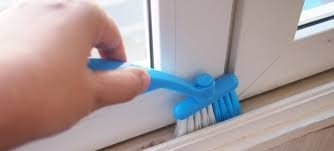
Window tracks are those narrow channels at the base and sides of your windows — often overlooked when you clean the glass, but they accumulate the most dirt. Dust, crumbs, dead insects, bits of debris, old paint or adhesive, and even moisture can settle into these grooves and make windows harder to open or slide. Cleaning them thoroughly keeps your windows functional, extends their life, and prevents build‑up of grime or mold. Here’s a step‑by‑step guide to cleaning window tracks properly — plus some maintenance tips to keep them clean longer.
What You’ll Need (Tools & Supplies)
Before you begin, gather the following:
- Vacuum cleaner with a narrow/crevice nozzle (or a small handheld vacuum)
- Old toothbrush or small scrubbing brush
- Baking soda (optional, for stubborn grime)
- White vinegar (or a gentle all‑purpose cleaner or mild dish soap + warm water)
- Spray bottle (for vinegar/water mix) or bucket for soapy water
- Microfiber cloth or lint‑free cloth or paper towels
- (Optional) Plastic putty knife or a butter knife wrapped in cloth / rag — to reach deep corners or stubborn build-up.
- (Optional) Silicone‑based lubricant or dry lubricant (for sliding windows/tracks) — helps window slide smoothly afterwards.
- (Optional) Drop cloth or towel under the window — to catch drips or debris falling out.
Step‑by‑Step: Cleaning the Window Tracks
1. Prepare and Clear Out Loose Debris
- Fully open the window — remove any screens or coverings so you have full access to the tracks.
- Use the vacuum (with crevice attachment) to suction out loose dust, dirt, dead insects, or loose debris from all tracks — bottom, sides, and top if applicable.
- If you have compressed air or a small brush, you can also use that to dislodge stubborn loose dirt before vacuuming.
This vacuuming step is essential because it removes loose particles that otherwise might just turn into a muddy paste once wet, making the mess harder to clean.
2. Apply a Cleaning Solution
There are two main effective cleaning options:
- Vinegar + Water: Mix equal parts of white vinegar and warm water in a spray bottle. This acts as a natural cleaner and helps break down grime or residue.
- Soapy Water: If tracks are only lightly dirty or windows are wood/vinyl (sensitive to acidic cleaners), use a few drops of mild dish soap with warm water.
For tougher grime or sticky buildup (like old paint, adhesive, grease, or mineral deposits), sprinkle a light dusting of baking soda over the track before applying the vinegar mixture; the resulting fizz helps loosen stubborn dirt.
After spraying or pouring your cleaner: let it sit and do its work for about 5–10 minutes so the grime softens.
3. Scrub & Dislodge Dirt
- Use an old toothbrush (or small scrubbing brush) to scrub the tracks — focus especially on corners, grooves, and areas where dirt has built up.
- For narrow or hard‑to‑reach spots, a plastic putty knife or a butter knife (wrapped in cloth) can help scrape away stubborn residue — but be gentle to avoid scratching metal or damaging vinyl/wood.
- If part of the dirt is really stuck, after scrubbing, you can re‑apply the cleaning solution and scrub again. Sometimes multiple passes are needed.
4. Wipe Clean & Rinse
- Once you’ve dislodged most of the dirt and grime, use a damp microfiber cloth (or paper towels) to wipe out all loosened debris and cleaning residue. Rinse or wring the cloth often.
- For large windows or particularly dirty tracks: you may need to rinse the rag/cloth in clean water multiple times.
- Make sure you remove all residue. Leftover vinegar, soap, or grime can attract dust quickly, defeating the cleaning effort.
5. Dry Thoroughly
- Once the tracks look clean, dry them completely with a dry cloth or paper towel. Moisture left behind can attract new dust — or worse, cause mold or corrosion (especially in metal tracks).
- Allow the window to remain open for a little while so any residual moisture evaporates, especially if you cleaned with vinegar or water.
6. (Optional but Recommended) Lubricate the Tracks
- For sliding windows or windows that hang and slide: apply a small amount of silicone-based lubricant (or a dry lubricant suitable for vinyl/metal tracks) along the track — this helps windows glide smoothly and resist buildup.
- Apply the lubricant carefully — you can spray directly (if safe) or spray on a cloth and then wipe along the track to avoid getting lubricant on glass or window panes.
- After lubricating, open and close the window a few times so the lubricant spreads evenly along the track.
Why It’s Important — More Than Just Cleanliness
- Smooth Operation: Dirt, dust, grit, and debris in tracks make windows sticky or hard to open/close. Cleaning and lubricating ensures your windows slide or swing smoothly.
- Prevent Damage & Wear: Grit and hard debris can scratch metal or wear down vinyl — over time causing tracks to get stuck, warp, or even rust (if metal). Regular cleaning avoids this.
- Hygiene & Allergies: Dust, dead insects, and mold/mildew (if moisture collects) can accumulate — cleaning tracks helps reduce allergens and keeps air quality better around windows and sills.
- Extends Lifespan of Windows: With fewer blockages, corrosion, or buildup, your windows’ sliding mechanisms, seals, and frames last longer.
- Aesthetic & Functionality: Clean tracks make windows easier to use, look better, and help maintain smooth operation — especially important in older homes or windows exposed to heavy dust or pollution.
Maintenance: How Often Should You Clean Window Tracks?
- Light cleaning / dust check: Once a month — vacuum out loose dust and debris, especially if you live in a dusty or polluted area.
- Deep cleaning + full track scrub: Every 3–6 months — or whenever you notice tracks becoming sticky, windows getting harder to slide, or visible buildup around the tracks.
- After renovation, painting, or heavy dust storms: Clean immediately — fine dust, paint chips, or plaster residue settle quickly in tracks. Skipping cleaning may lead to buildup that’s hard to remove later.
If you live in a particularly dusty environment (for example near construction, heavy traffic, or in a dusty city), you might want to do light track cleaning more often — maybe every 3–4 weeks.
Tips for Tough Situations & Extra Dirty Tracks
- For very stubborn grime: Don’t skip the baking soda + vinegar method. The fizzing action helps dislodge hardened dirt that simple soap can’t remove.
- Use a cloth‑wrapped tool (butter knife / plastic putty knife): For corners or grooves where a toothbrush doesn’t reach — helps scrape away stubborn buildup without scratching the material.
- Avoid soaking wooden tracks: If your windows have wood frames/tracks — avoid over‑wetting them, and dry immediately, to prevent warping or paint damage. Use mild soap + minimal water.
- Watch drainage holes (weep holes): Some windows have small drainage/weep holes at the track base — ensure they’re not clogged, so water doesn’t accumulate and cause mold or frame damage.
- Consider a soft brush or detachable vacuum nozzle regularly: Using a small dusting brush or crevice vac on a weekly/bi‑weekly basis helps prevent heavy buildup.
Common Mistakes to Avoid
- Skipping the vacuum stage — wet dirt after skipping vacuum easily turns into dense, sticky mud inside the tracks, making cleaning much harder.
- Using too much water or soaking — especially on wood or metal windows, too much moisture can lead to warping, rust, or mildew.
- Using abrasive tools or harsh chemicals — avoid metal scrapers on metal tracks (they can scratch) or strong chemical cleaners on vinyl or wood.
- Not drying properly — leftover moisture invites dust, mold, or mildew, or can cause corrosion/rust in metal tracks or staining in wood.
- Neglecting lubrication if needed — sliding windows often require a light lubricant to ensure they continue moving smoothly after cleaning.
When You Might Need Professional Help
While cleaning window tracks is usually a straightforward DIY job, there are some situations when you might consider professional help:
- If your window tracks are heavily corroded, rusted, or damaged — cleaning alone won’t restore smooth sliding.
- If windows are stuck because of bent or warped tracks.
- If mold/mildew is deeply embedded and you’re not comfortable handling mold (especially with unknown material).
- If you live in a region with very heavy dust/pollution and tracks get dirty extremely quickly — a professional deep‑clean might be more efficient periodically.
Final Thoughts
Window tracks may seem like minor details — but they play a huge role in the smooth functioning, longevity, and hygiene of your windows. Spending a bit of time cleaning them thoroughly every few months (and doing light maintenance in between) can save you from sticky windows, difficult sliding, or even costly repairs down the road.
With just a vacuum, a little cleaning solution (vinegar, soap, or baking soda), a toothbrush and cloth — you can bring neglected window tracks back to near‑new condition. And adding a touch of lubricant afterward helps ensure your windows slide effortlessly for months to come.
