
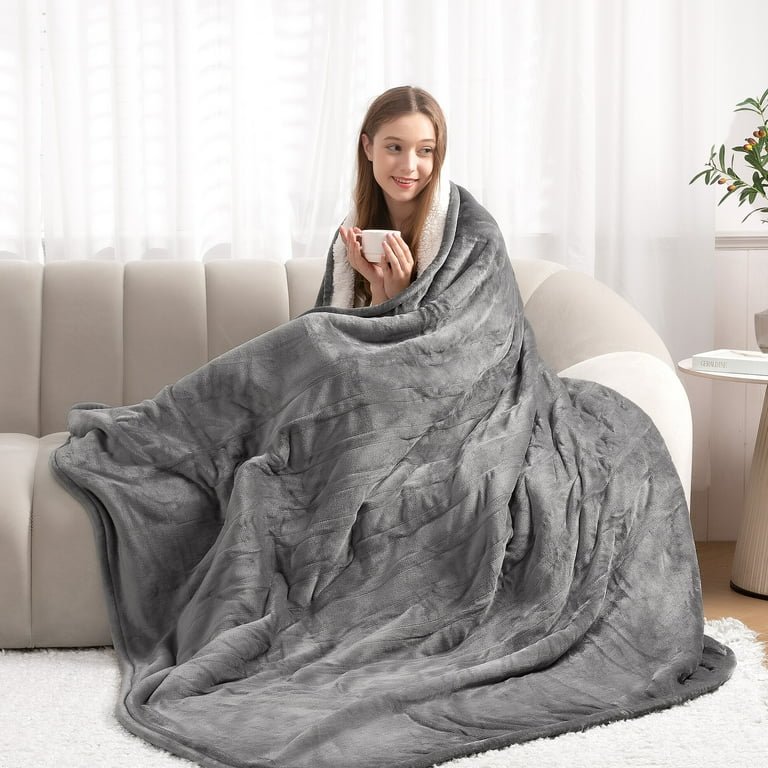
Heated blankets have become a staple in many households during the colder months. Their ability to provide warmth and comfort instantly makes them an appealing choice for those who struggle with chilly nights. However, while heated blankets offer undeniable convenience, they can also be dangerous if not used correctly. Understanding the risks and following safety guidelines is essential to enjoy the benefits of heated blankets without harm.
What Is a Heated Blanket?
A heated blanket is a type of bedding equipped with electric heating elements. These elements are woven into the fabric and connected to a power source, allowing the blanket to generate consistent heat. Heated blankets often come with adjustable temperature controls and timers, offering users the flexibility to stay warm without overheating.
Modern heated blankets vary in design, ranging from simple electric blankets to more advanced models with multiple heat settings and automatic shut-off features. Despite these innovations, the inherent risk associated with using electricity in close contact with the body cannot be ignored.
The Appeal of Heated Blankets
The primary reason people use heated blankets is comfort. Cold nights can disrupt sleep, exacerbate certain medical conditions, and simply make daily life uncomfortable. Heated blankets provide instant warmth, helping users relax, sleep better, and even reduce muscle tension. They can be particularly helpful for individuals with arthritis, poor circulation, or those living in regions with long, harsh winters.
Additionally, heated blankets can save energy. Instead of cranking up the central heating for the entire house, people can warm just their bed, potentially reducing energy bills and environmental impact.
The Risks of Heated Blankets
While heated blankets provide warmth and comfort, they also come with potential hazards. Understanding these risks is crucial to prevent accidents and injuries.
Fire Hazards
One of the most serious dangers of heated blankets is the risk of fire. Faulty wiring, worn-out elements, or improper use can lead to overheating, sparking, and potentially igniting a fire. The risk increases when the blanket is used for extended periods, left unattended, or combined with other bedding that can trap heat.
Burns and Skin Injuries
Heated blankets can cause burns if they malfunction or if the user falls asleep with the blanket set at a high temperature. People with reduced sensitivity, such as older adults or individuals with neuropathy, are particularly vulnerable. Even at moderate temperatures, prolonged exposure can result in uncomfortable or dangerous skin irritation.
Electrical Shocks
Because heated blankets rely on electricity, there is always a risk of electric shock. This can happen if the blanket is damaged, improperly handled, or used near water. Although modern blankets include safety features such as insulated wiring and automatic shut-off systems, the risk is never zero.
Impact on Sleep Quality
Interestingly, excessive use of heated blankets can negatively impact sleep quality. Overheating can lead to night sweats and dehydration, which disrupt natural sleep cycles. Experts recommend using heated blankets primarily for warming the bed before sleeping and reducing the heat once you are under the covers.
How to Use Heated Blankets Safely
Despite their risks, heated blankets can be safe if used responsibly. Here are essential tips to minimize danger:
- Follow Manufacturer Instructions: Always read and adhere to the guidelines provided with your heated blanket. Each model may have unique safety precautions and temperature limits.
- Inspect Regularly: Check the blanket for worn-out wires, frayed fabric, or other signs of damage. Do not use a damaged blanket under any circumstances.
- Use Timers: Limit usage by setting timers or turning the blanket off after warming the bed. Avoid leaving the blanket on all night.
- Avoid Folding or Bunching: Folding or compressing heated blankets can cause the heating elements to overheat. Spread the blanket flat for even heat distribution.
- Keep Dry: Never use a heated blanket with wet hands or in a damp environment. Moisture increases the risk of electric shock and can damage the wiring.
- Supervise Vulnerable Individuals: Children, the elderly, and people with medical conditions should be monitored when using heated blankets to prevent burns or misuse.
- Consider Low-Voltage Options: Low-voltage heated blankets provide warmth with a lower risk of overheating, making them safer for prolonged use.
Alternatives to Heated Blankets
If you are concerned about the dangers of heated blankets, several alternatives can provide warmth without the same level of risk:
- Electric Mattress Pads: These heat the bed from underneath, reducing direct contact with heating elements.
- Microwaveable Heating Pads: Filled with natural materials like rice or grains, these can be heated safely without electricity.
- Thermal Bedding: Fleece sheets, down comforters, and thermal blankets trap body heat effectively.
- Layering: Wearing warm clothing and using multiple lightweight blankets can provide a similar effect to a heated blanket without relying on electricity.
Conclusion
Heated blankets offer undeniable warmth and comfort, making them an attractive choice for anyone trying to stay cozy during cold weather. However, they are not without risks. The potential for fire, burns, and electric shock makes it crucial to follow safety guidelines and exercise caution.
By understanding the dangers and taking preventive measures, users can safely enjoy heated blankets while minimizing hazards. Responsible use, regular inspection, and proper storage ensure that this popular household item remains a source of comfort rather than a hidden danger.
In the end, heated blankets can enhance winter nights when treated with respect. They are not inherently unsafe, but careless use can turn a cozy convenience into a dangerous risk. Prioritizing safety allows you to experience warmth and relaxation without compromising health or home security.
