
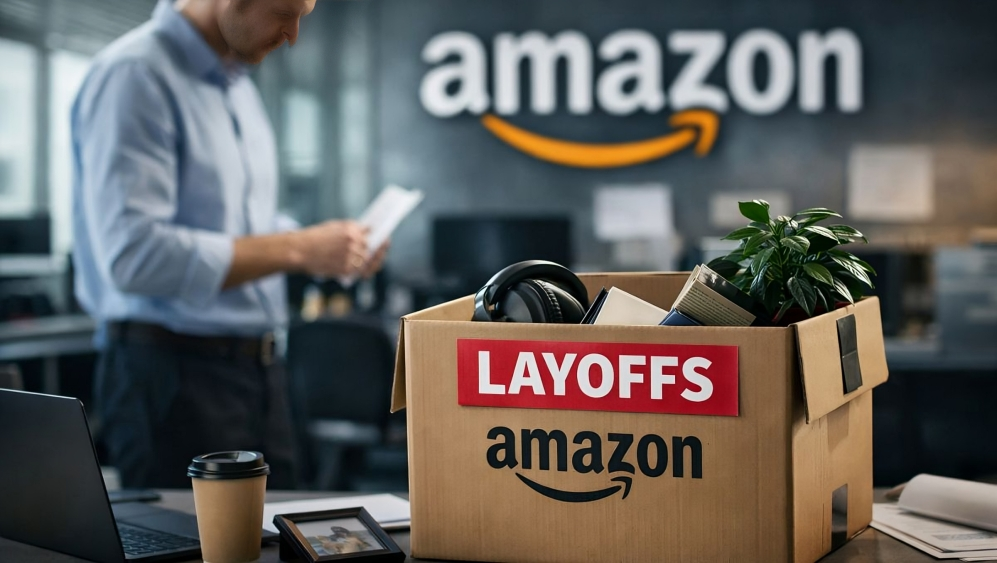
Over the past few years, few corporate decisions have sparked as much public discussion as Amazon layoffs. As one of the world’s largest employers and most influential tech companies, any workforce reduction at Amazon sends shockwaves across industries, job markets, and even global economies.
But what exactly is driving Amazon’s layoffs? Are they a sign of deeper trouble, or simply a strategic realignment in a changing business environment? And most importantly, what do these layoffs mean for employees, job seekers, investors, and the future of work?
In this in-depth article, we’ll explore the real reasons behind Amazon layoffs, their broader impact, and what we can realistically expect moving forward.
Understanding Amazon’s Scale and Influence
Before diving into Amazon layoffs, it’s important to understand just how massive Amazon is.
Amazon employs hundreds of thousands of people worldwide, spanning roles in technology, logistics, customer service, corporate operations, marketing, artificial intelligence, and cloud computing through Amazon Web Services (AWS). Because of this scale, even a small percentage cut can translate into tens of thousands of affected workers.
Unlike smaller companies, Amazon’s employment decisions don’t just affect internal operations — they influence labor trends across the entire tech and e-commerce ecosystem.
A Brief History of Amazon Layoffs
For many years, Amazon was known for aggressive hiring rather than layoffs. Rapid expansion fueled growth in:
- E-commerce fulfillment centers
- Cloud computing (AWS)
- Prime Video and content creation
- Devices like Alexa and Kindle
- Corporate and engineering roles
However, that trend shifted dramatically starting in the early 2020s.
When Did Amazon Layoffs Begin?
The most visible wave of Amazon layoffs began after the global pandemic hiring surge. During COVID-19, Amazon hired aggressively to meet unprecedented demand for online shopping and digital services. As consumer behavior normalized, the company faced excess capacity in several departments.
Since then, Amazon layoffs have occurred in multiple rounds, impacting:
- Corporate employees
- HR and recruiting teams
- Amazon Devices and Alexa divisions
- Prime Video and entertainment units
- AWS sales and support teams
Why Is Amazon Laying Off Employees?
Amazon layoffs are not driven by a single factor. Instead, they result from a combination of economic, strategic, and operational decisions.
1. Post-Pandemic Overhiring
One of the biggest reasons behind Amazon layoffs is overexpansion during the pandemic. When demand skyrocketed, Amazon hired at record speed. Once that demand stabilized, maintaining such a large workforce became inefficient.
This pattern isn’t unique to Amazon — many tech giants faced similar challenges.
2. Economic Uncertainty and Cost Control
Rising interest rates, inflation, and global economic uncertainty have forced companies to prioritize profitability over rapid growth.
Amazon, historically focused on reinvesting profits, has shifted toward:
- Reducing operational costs
- Streamlining teams
- Eliminating overlapping roles
Amazon layoffs are part of a broader cost-optimization strategy aimed at improving long-term financial stability.
3. Shifting Business Priorities
Amazon is constantly evolving. Some projects that once seemed promising no longer align with current priorities.
For example:
- Certain Alexa initiatives struggled to generate revenue
- Experimental hardware projects were scaled back
- Entertainment spending was reassessed
As priorities change, layoffs often follow.
4. Increased Focus on Automation and AI
Automation, robotics, and artificial intelligence are playing a growing role in Amazon’s operations. While these technologies improve efficiency, they also reduce the need for certain roles.
Amazon layoffs in logistics, customer service, and operations are partially influenced by increased automation in warehouses and support systems.
Which Departments Are Most Affected by Amazon Layoffs?
Amazon layoffs have not affected all teams equally. Some areas have experienced deeper cuts than others.
Corporate and HR Teams
Recruiting and HR departments were among the first impacted, largely because hiring slowed significantly after the pandemic surge.
Amazon Devices and Alexa
Despite Alexa’s popularity, monetization challenges led to layoffs in the devices and voice assistant teams.
Prime Video and Entertainment
Content spending reductions and restructuring led to job cuts in Amazon’s entertainment division.
AWS (Selective Cuts)
While AWS remains highly profitable, some sales and support roles were eliminated to improve efficiency.
Impact of Amazon Layoffs on Employees
The human cost of Amazon layoffs cannot be ignored.
Emotional and Financial Stress
Job loss often brings anxiety, uncertainty, and financial pressure. Even with severance packages, affected employees face challenges in a competitive job market.
Career Disruption
Many laid-off workers specialized in Amazon-specific systems or projects, requiring them to reframe their experience for other employers.
Relocation and Visa Issues
For international employees, Amazon layoffs can have serious immigration consequences, adding another layer of stress.
How Amazon Is Supporting Laid-Off Employees
To its credit, Amazon has implemented several support measures during layoffs, including:
- Severance pay based on tenure
- Continued healthcare benefits for a limited time
- Career coaching and job placement support
- Internal transfer opportunities (in some cases)
While these measures don’t erase the impact, they help soften the transition.
Amazon Layoffs and the Broader Tech Industry
Amazon layoffs are part of a much larger trend in the tech sector.
Industry-Wide Layoffs
Companies like Google, Meta, Microsoft, and others have also reduced their workforces. This signals a broader reset in the tech industry after years of rapid growth.
Increased Competition for Jobs
With thousands of skilled professionals entering the job market, competition for tech roles has intensified.
Shift Toward “Lean” Organizations
Companies are focusing on smaller, more agile teams with higher productivity expectations.
How Job Seekers Can Respond to Amazon Layoffs
If you’ve been affected by Amazon layoffs — or are worried you might be — there are proactive steps you can take.
1. Reframe Your Experience
Amazon experience is highly valuable. Focus on:
- Scale of systems you worked on
- Impact and metrics
- Cross-functional collaboration
2. Upskill Strategically
Skills in AI, cloud computing, cybersecurity, data analysis, and product management remain in high demand.
3. Expand Beyond Big Tech
Startups, mid-size companies, and non-tech industries increasingly seek former Amazon talent.
4. Strengthen Your Network
Many job opportunities come through referrals. Connect with former colleagues and industry peers.
What Do Amazon Layoffs Mean for Investors?
From an investor’s perspective, Amazon layoffs can signal:
- Improved cost discipline
- Stronger focus on profitability
- Long-term strategic alignment
In many cases, markets view layoffs as a positive sign of financial responsibility, even though they carry short-term reputational risks.
Will There Be More Amazon Layoffs?
This is the question everyone is asking.
While Amazon has indicated that major workforce reductions may slow, layoffs could still occur in specific teams as priorities evolve. However, future cuts are more likely to be targeted rather than company-wide.
Key factors influencing future Amazon layoffs include:
- Global economic conditions
- Performance of AWS
- Adoption of AI and automation
- Consumer spending trends
The Future of Work at Amazon
Despite layoffs, Amazon remains one of the most influential employers in the world.
Continued Hiring in Key Areas
Amazon is still hiring in:
- Artificial intelligence and machine learning
- Cloud infrastructure
- Robotics and automation
- Cybersecurity
A More Measured Growth Strategy
Instead of aggressive expansion, Amazon is moving toward sustainable, efficiency-driven growth.
Final Thoughts: Looking Beyond the Headlines
While Amazon layoffs are undoubtedly disruptive and painful for those affected, they also reflect a broader transformation in the global economy and tech industry.
Amazon is not collapsing — it is recalibrating.
For employees, adaptability and continuous learning are more important than ever. For job seekers, Amazon experience remains a powerful asset. And for the industry as a whole, these layoffs mark the end of an era of unchecked growth and the beginning of a more disciplined, strategic future.
Understanding the real story behind Amazon layoffs helps us move beyond fear and speculation — and toward informed decisions about careers, investments, and the evolving world of work.
