
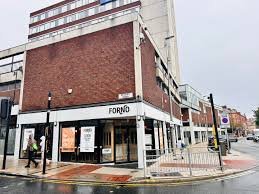
In recent years, Altrincham has emerged as a compelling example of how a traditional market town can reinvent itself. Between urban regeneration, a vibrant market, an active social and cultural life, and evolving community dynamics, Altrincham today strikes a balance between respect for its heritage and embracing modernity. This article walks you through the key developments shaping the town and what life in Altrincham looks like now.
A Market Town Reimagined — The Revival of the High Street
At the heart of Altrincham’s resurgence is the Altrincham Market. Once a Victorian covered hall and traditional marketplace, it has been reborn as a vibrant food hall–cum–community space, serving as the beating heart of the town. Inside the Market House, independent kitchens, coffee bars, bakeries, and street-food vendors draw visitors nearly every day. Outside, stalls offer everything from artisan bread and cheese to handmade crafts, vintage clothing, ceramics, and jewelry. The atmosphere in the market area reflects a casual but curated vibe: shared tables, friendly chatter, dogs on leads, families gathering — it’s not just shopping, but a lived social experience. Locals meet friends, enjoy meals, or show off the town to visiting relatives. The revival of the Market has sparked a broader regeneration, proving that high streets needn’t rely on national chains to thrive.
This shift has made Altrincham increasingly popular — not only with locals, but with day-trippers from Manchester and beyond. The blend of traditional village feel with modern convenience is drawing people in.
Housing, Regeneration, and the Changing Urban Landscape
But the transformation of Altrincham isn’t just about markets and food — structural changes are underway, reshaping the town’s residential and commercial face.
In mid-2025, the local housing association L&Q secured planning approval for a regeneration scheme in the town centre: the redevelopment of Albert, Chapel and Lloyds Courts on New Street. The scheme includes 64 one- and two-bedroom apartments in a mix of two-, four- and five-storey blocks, plus 24 family homes over two to three storeys. Each apartment comes with a private balcony; houses include front and rear gardens. Importantly, 40% of the homes are designated as affordable and are designed to be accessible and adaptable — including for people with reduced mobility.
This development reflects a broader push to modernize housing stock within Altrincham and add new, high-quality homes to meet demand — a demand intensified by the town’s growing popularity.
Meanwhile, larger mixed-use redevelopment ambitions continue — including the stalled 4.5-acre site once earmarked for the long-planned Altair project. In August 2025, the local authority Trafford Council appointed a major property consultancy firm, Savills Manchester, to chart a fresh path forward for the site — a sign that after many years of false starts the town is committed to delivering new commercial, residential and leisure infrastructure.
These shifts — both modest residential infill and large-scale redevelopment — suggest Altrincham is actively rethinking its skyline and urban fabric, moving toward a more future-ready identity while still retaining many of the features that made it a comfortable suburban town.
Food, Festivals, and Social Life — Altrincham as a Cultural Hub
Altrincham’s regeneration isn’t only economic or structural — it’s also social and cultural. Food, drink, community events and festivals play a big role in the life of the town.
One of the standout initiatives is the 2025 edition of A Taste of Altrincham — a 10-day festival celebrating the town’s diverse food and drink scene. Organized by the town’s Business Improvement District (BID), the festival ran from 28 February to 9 March and featured culinary masterclasses, cooking demos, supper clubs, special deals at local restaurants, and interactive foodie events. From sourdough-making workshops to sushi and cocktail-making sessions, the event invited both residents and visitors to rediscover the town’s gastronomic offerings.
For food lovers and curious newcomers alike, this festival offered a perfect snapshot: Altrincham is not just an attractive place to live — it’s a place to eat, taste, socialize and enjoy local culture.
Beyond food, community events continue to bring people together. The annual Altrincham vs Cancer charity campaign — started in 2014 — has grown into a major local movement. By mid-2025, the campaign had raised nearly £85,000 for The Christie NHS Foundation Trust, a leading cancer treatment and research centre. For many participants, the event isn’t just about fundraising — it’s about solidarity, shared memory and community spirit.
Small independent businesses, artisans, vintage traders, creative entrepreneurs — all of these are part of what makes Altrincham’s contemporary identity. Many locals say the town offers the “feel of a village so close to a city,” combining convenience with intimacy and community support. The bloom of artisan shops, cafés, and local enterprises speaks to a revival that values authenticity over mass commercialism.
Challenges and Community Dynamics — Growth, Change, and Tensions
Of course, change brings complexity. As Altrincham attracts newcomers and investment, questions about identity, inclusion, and community cohesion emerge. Recent developments — while overwhelmingly positive on the surface — also bring debates typical of towns undergoing rapid transformation.
For instance, the pressure to deliver housing quickly can sometimes conflict with preservation of heritage or local character. The history of the “Altair” site, long promised but undelivered, reflects this tension between ambition and realism.
Similarly, growth has the potential to drive up property prices and shift demographics — which can affect “village-like” community cohesion. For towns like Altrincham that pride themselves on close-knit local life, balancing growth and gentleness is a continuing puzzle.
Still, many in the community remain optimistic — or even enthusiastic — about the changes. The mix of old and new, of tradition and modernity, seems to strike a chord with residents and visitors alike.
Why Altrincham Matters — A Model for 21st Century Town Life
What’s remarkable about Altrincham today is how many boxes it ticks for a well-rounded, modern suburban town — yet how many of those boxes respect history and human scale rather than bulldoze them.
- Sustainable high-street revival: Through the Market and independent businesses, Altrincham demonstrates that with thoughtful planning and community support, high streets can survive — and thrive — even as retail landscapes change.
- Balanced regeneration: Housing and redevelopment plans aim for accessibility, affordability, and modern living — without turning the town into a concrete jungle.
- Community and culture: Festivals, charity drives, artisan culture, independent shops — all combine to foster a sense of belonging, shared identity, and pride.
- Quality of life: From cafes with good coffee to walkable streets, local businesses, and a relaxed vibe, Altrincham appeals to those seeking a quieter, more human-scale alternative to a big city.
In short, Altrincham is evolving — but not losing itself in the process. It’s growing, but in ways that seem carefully anchored to heritage, to community, and to a sense of place. For residents and newcomers alike, that makes it a place of opportunity, comfort, and promise.
Looking Ahead
As 2025 draws on, much remains to be seen: how the redevelopment plans play out; whether the town can sustain its momentum without losing character; how new homes, new people, and new businesses will reshape the social fabric. But the signs so far are encouraging. Altrincham today stands as a living example that suburban towns — with vision, collaboration, and respect for what made them home in the first place — can not only survive but flourish in a changing world.
If you like, I can pull up 5–10 high-quality photos of Altrincham today — showing the market, the town centre, newly developed housing and community life — to give a more vivid sense of the place.
