
Absolute Batman: A Complete Exploration of the Dark Knight Reimagined
Batman has always existed as a symbol of shadow, justice, and inner conflict. Across decades, readers have seen countless versions of the Dark Knight—some heroic, some broken, some terrifying. Among these interpretations, Absolute Batman stands apart as one of the most intense and uncompromising visions of the character ever imagined. This version strips Batman down to his rawest essence, presenting a figure who is not only physically imposing but psychologically extreme.
At its core, Absolute Batman is not about gadgets, wealth, or even legacy. It is about control, fear, and moral absolutism. This Batman does not bend easily, does not compromise lightly, and does not seek approval. He exists to enforce his vision of order, regardless of the cost.
The Meaning Behind “Absolute”
The word “absolute” carries significant weight. It implies something complete, unyielding, and final. When applied to Batman, it suggests a character who has gone beyond restraint. Absolute Batman represents the idea of a vigilante who believes his mission is unquestionable. His sense of justice is not flexible; it is total.
Unlike traditional portrayals where Batman struggles between mercy and vengeance, Absolute Batman has already crossed that line. He operates under the belief that Gotham can only be saved through decisive, sometimes brutal action. This makes him both compelling and deeply unsettling.
A Physically Dominant Dark Knight
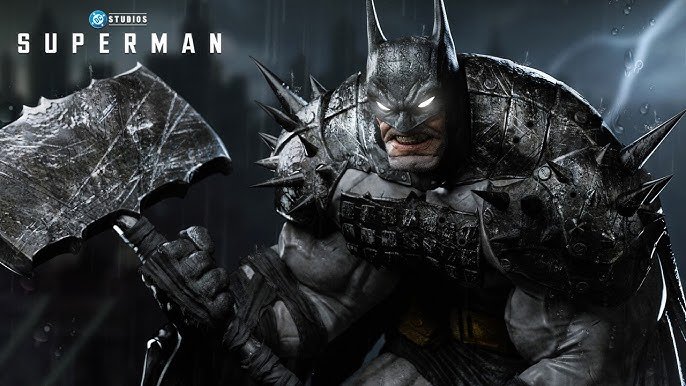
One of the most striking aspects of Absolute Batman is his physical presence. He is often depicted as larger, more armored, and more intimidating than standard versions. This is not just a stylistic choice—it reinforces his role as a force of fear.
Criminals do not merely avoid him; they dread him. His silhouette alone is enough to break morale. In Absolute Batman’s world, fear is not a byproduct of justice—it is a tool. He believes fear prevents crime more effectively than hope ever could.
This approach fundamentally changes how Gotham responds to him. Instead of being a silent guardian, he becomes an unavoidable reality.
Psychological Depth and Inner Conflict
Despite his rigid exterior, Absolute Batman is not shallow. His mind is a battlefield of obsession, trauma, and conviction. The loss that created Batman still exists, but it has hardened rather than softened him.
He does not seek healing. He seeks purpose.
This Batman has accepted his pain and weaponized it. Every decision he makes is filtered through the belief that weakness leads to chaos. Compassion is treated as a liability, and emotional distance is seen as strength.
Yet, beneath this armor of certainty, there is still a human being struggling with isolation. Absolute Batman may claim he needs no one, but the silence around him suggests otherwise.
Relationships in an Absolute World
In stories featuring Absolute Batman, relationships are often strained or broken entirely. Allies who once grounded him now question his methods. Trust becomes rare.
Characters like law enforcement figures, former partners, or vigilante allies often find themselves at odds with him. Some fear he has gone too far. Others believe he has become the very thing he once fought against.
This tension adds richness to the narrative. Absolute Batman is not evil, but he is no longer easily defined as heroic. His presence forces others to confront their own beliefs about justice and morality.
Gotham Under Absolute Protection
Gotham City itself changes under Absolute Batman’s rule. Crime does not disappear, but it transforms. Criminals become more desperate, more violent, or retreat deeper underground. The city feels heavier, quieter, and more oppressive.
Citizens are divided. Some feel safer knowing someone so relentless stands guard. Others fear the consequences of unchecked power. The question lingers constantly: Who watches the watcher when the watcher believes he is infallible?
This version of Gotham is not saved—it is controlled.
Moral Ambiguity and Reader Impact
One of the greatest strengths of Absolute Batman is how it challenges the audience. Readers are forced to examine their own limits. How far is too far? Is safety worth surrendering freedom? Can justice exist without mercy?
Absolute Batman does not provide easy answers. Instead, it presents a mirror. In a world filled with uncertainty, his certainty is seductive—but dangerous.
This moral ambiguity is what makes the character unforgettable. He is not meant to be admired without question. He is meant to be debated.
Final Thoughts
Absolute Batman is not just another version of a famous hero. He is a philosophical statement wrapped in a cape and shadow. He represents the extreme edge of justice, where conviction replaces compassion and order outweighs empathy.
Whether viewed as a necessary evolution or a cautionary tale, Absolute Batman leaves a lasting impression. He reminds us that even heroes can become overwhelming when their beliefs become absolute.
In the end, Absolute Batman is not about saving Gotham.
It is about what is lost when saving becomes the only goal.
