
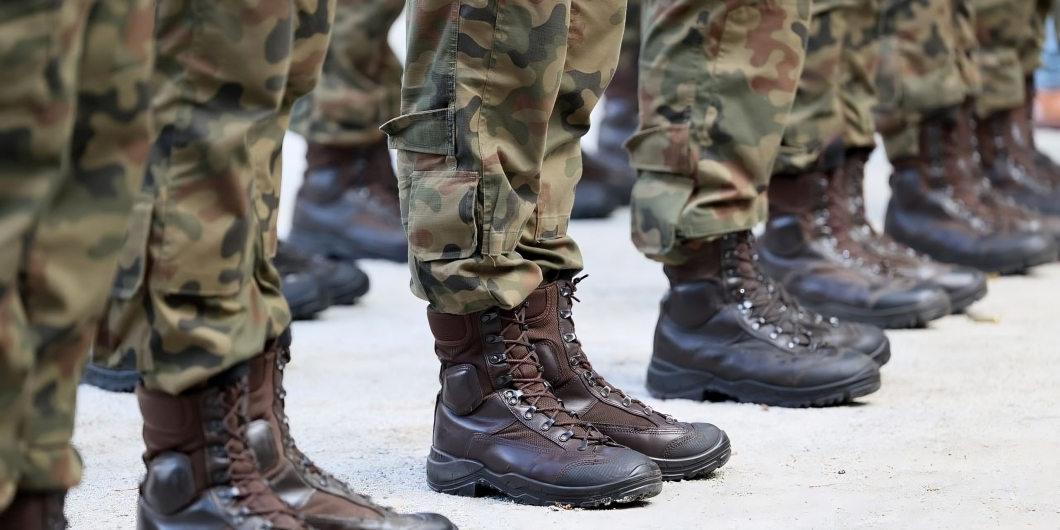
In today’s fast-paced, digital-first world, the phrase “boots on the ground” continues to hold powerful relevance. While technology, automation, and remote systems dominate many conversations, real progress in countless industries still depends on people physically present in the field—observing, acting, and responding in real time.
From military operations and disaster relief to business expansion, journalism, and community development, boots on the ground represents firsthand involvement, accountability, and authentic understanding. This article explores the meaning of the term, its origins, and why boots on the ground remains critical in an increasingly virtual age.
What Does “Boots on the Ground” Mean?
The term boots on the ground originally comes from military language. It refers to soldiers physically deployed in a specific location rather than relying solely on airpower, surveillance, or remote operations.
Over time, the phrase evolved and expanded beyond military use. Today, boots on the ground broadly means:
- Physical presence in a specific location
- Direct involvement rather than remote oversight
- Firsthand observation and real-world execution
- Practical action instead of theoretical planning
In essence, it describes people who are actively engaged where the action happens.
The Origins of “Boots on the Ground”
Historically, the phrase became widely used during 20th-century conflicts, particularly during the Vietnam War and later Middle Eastern conflicts. Political leaders often debated whether to commit boots on the ground, as such decisions carried significant political, human, and financial consequences.
Over time, the phrase entered mainstream language, journalism, and business vocabulary. Its powerful imagery—soldiers’ boots touching foreign soil—made it a compelling metaphor for commitment and responsibility.
Why Boots on the Ground Still Matters Today
Despite advancements in technology, drones, AI, and remote communication tools, boots on the ground remains essential for several reasons:
1. Real-World Context and Accuracy
No matter how advanced data systems become, they cannot fully replace human observation. Being physically present allows individuals to:
- Read body language and social cues
- Understand local culture and environment
- Identify issues that data alone may miss
2. Faster, More Informed Decision-Making
People on the ground can react immediately to changing conditions. Whether it’s a humanitarian worker responding to a crisis or a business manager assessing a new market, firsthand insight leads to better decisions.
3. Trust and Relationship Building
Trust is built face-to-face. Boots on the ground demonstrates commitment, sincerity, and accountability—qualities that are difficult to establish remotely.
Boots on the Ground in Military and Defense
The military remains the most well-known context for boots on the ground.
Advantages
- Greater control over territory
- Improved intelligence gathering
- Ability to interact with local populations
- Flexibility in unpredictable situations
Challenges
- High financial costs
- Risk to human life
- Political and public scrutiny
- Long-term commitment requirements
Modern warfare increasingly combines technology with boots on the ground, proving that human presence remains indispensable even in high-tech conflicts.
Boots on the Ground in Humanitarian Aid and Disaster Relief
In crisis situations, boots on the ground can mean the difference between life and death.
Why Physical Presence Is Critical
- Assessing damage accurately
- Delivering food, water, and medical aid
- Coordinating with local communities
- Ensuring aid reaches those who need it most
Organizations like the Red Cross, Doctors Without Borders, and UN agencies rely heavily on boots on the ground teams to respond effectively during earthquakes, floods, wars, and epidemics.
Boots on the Ground in Business and Marketing
In the corporate world, boots on the ground strategies are often used to expand into new markets, understand customers, and strengthen operations.
Examples Include:
- Field sales representatives meeting customers directly
- Market researchers conducting in-person interviews
- Franchise managers visiting physical locations
- Supply chain inspectors verifying production sites
Benefits for Businesses
- Deeper customer understanding
- Higher sales conversion rates
- Stronger brand credibility
- Faster identification of operational issues
Even in digital marketing, brands that combine online strategies with boots on the ground campaigns often see better engagement and trust.
Boots on the Ground in Journalism and Media
Authentic storytelling depends heavily on reporters being physically present.
Why Journalists Need Boots on the Ground
- Verifying facts firsthand
- Capturing real voices and experiences
- Avoiding misinformation and bias
- Providing richer, more nuanced reporting
War correspondents, investigative journalists, and documentary filmmakers all rely on boots on the ground to tell accurate and impactful stories.
Boots on the Ground in Politics and Community Development
Political campaigns and social initiatives frequently emphasize boots on the ground efforts.
Common Examples
- Door-to-door canvassing
- Community town halls
- Grassroots organizing
- Local outreach programs
These efforts help leaders understand voter concerns, mobilize support, and create meaningful connections that digital campaigns alone cannot replicate.
Boots on the Ground vs. Remote Operations
While remote operations offer efficiency and scalability, they come with limitations.
| Aspect | Boots on the Ground | Remote Operations |
|---|---|---|
| Insight Quality | High | Moderate |
| Cost | Higher | Lower |
| Flexibility | High | Limited |
| Human Connection | Strong | Weak |
| Speed of Scaling | Slower | Faster |
The most effective strategies often combine both approaches, using technology to support—but not replace—boots on the ground.
The Role of Technology in Supporting Boots on the Ground
Technology doesn’t eliminate the need for physical presence—it enhances it.
Key Tools
- Mobile data collection apps
- GPS tracking
- Real-time communication platforms
- AI-assisted decision support
When used correctly, technology empowers boots on the ground teams to work smarter, safer, and more efficiently.
Challenges of Maintaining Boots on the Ground Operations
Despite its advantages, maintaining boots on the ground comes with challenges:
- High operational costs
- Safety risks
- Logistical complexity
- Burnout and fatigue
Organizations must invest in training, mental health support, and efficient planning to sustain long-term success.
Future of Boots on the Ground
As artificial intelligence, automation, and remote systems continue to advance, some predict a decline in physical presence. However, reality suggests otherwise.
The future lies in hybrid models—where technology handles scale and data, while boots on the ground delivers judgment, empathy, and adaptability.
Human presence remains irreplaceable where trust, nuance, and accountability matter most.
Why “Boots on the Ground” Will Never Lose Relevance
At its core, boots on the ground is about responsibility. It signals a willingness to show up, take risks, and engage directly with reality.
Whether in war zones, disaster areas, boardrooms, or local neighborhoods, progress still depends on people who are willing to step out from behind screens and into the real world.
Final Thoughts
The phrase boots on the ground is more than a metaphor—it’s a mindset. It represents commitment, authenticity, and real-world impact in an increasingly virtual society.
While technology continues to transform how we work and communicate, the value of human presence remains unmatched. From saving lives to building trust and driving meaningful change, boots on the ground will always be a cornerstone of success.
