
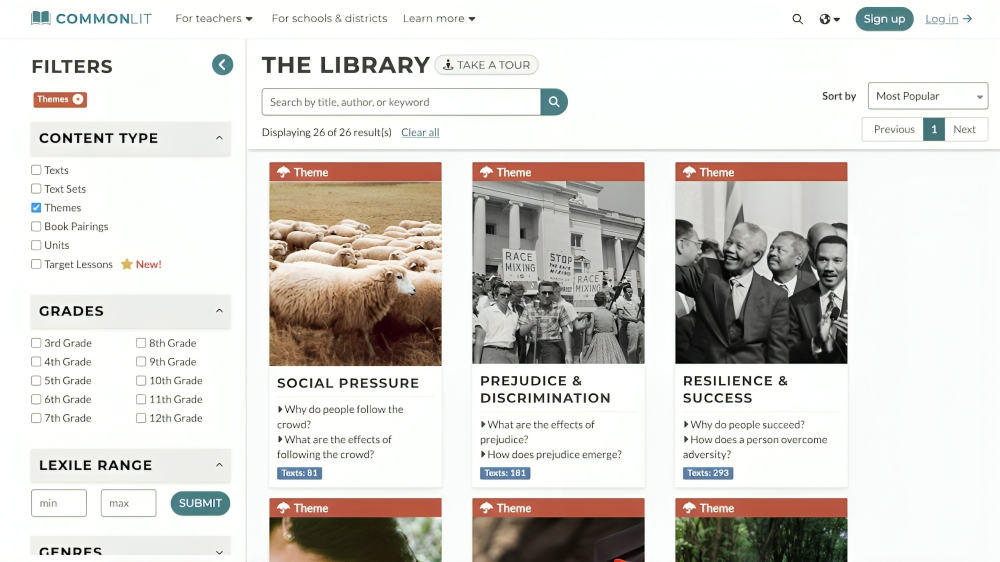
In recent years, digital learning platforms have transformed how students engage with reading and literacy. Among these tools, CommonLit has emerged as a powerful force in classrooms, influencing how educators teach reading comprehension, critical thinking, and textual analysis. As schools increasingly balance traditional instruction with technology-driven resources, understanding the role and impact of platforms like CommonLit becomes essential. This article explores how CommonLit supports modern education, why it has gained such widespread attention, and what makes it both effective and challenging in today’s learning environment.
The Changing Landscape of Reading Education
Reading instruction has evolved far beyond simple decoding of text. Today, educators are expected to help students analyze complex ideas, evaluate evidence, understand author’s purpose, and connect texts to real-world contexts. This shift has been driven by higher academic standards, college and career readiness goals, and the recognition that literacy is foundational to success across all subjects.
Digital platforms have stepped in to support this evolution. They offer curated texts, data-driven insights, and flexible tools that adapt to diverse classrooms. CommonLit fits directly into this landscape by providing accessible reading materials aligned with rigorous educational standards. Its growing popularity reflects a broader trend toward structured, technology-supported literacy instruction.
What Makes CommonLit Stand Out
One of the most notable strengths of CommonLit is its extensive library of reading passages. Texts span multiple genres, including fiction, nonfiction, historical documents, and informational articles. This variety allows teachers to expose students to different writing styles and perspectives, an essential component of strong literacy development.
Another key feature is the focus on text-dependent questions. Rather than encouraging surface-level responses, CommonLit prompts students to return to the text, cite evidence, and think critically. This approach reinforces close reading skills and helps students build habits that are valuable in academic and real-world contexts.
The platform also supports differentiated instruction. Teachers can assign the same text at varying levels of complexity, ensuring that students with different reading abilities can engage with the same core ideas. This inclusivity is particularly important in classrooms with diverse learning needs.
Data-Driven Instruction and Teacher Support
Modern educators are expected to make instructional decisions based on data, and CommonLit supports this expectation by offering performance insights. Teachers can see how students respond to questions, identify patterns of misunderstanding, and adjust instruction accordingly. This immediate feedback loop saves time and enhances the effectiveness of lesson planning.
Additionally, CommonLit provides resources that support teachers directly. Lesson plans, discussion prompts, and instructional guides reduce preparation time and help ensure alignment with academic standards. For new teachers or those managing large workloads, this support can be invaluable.
Building Critical Thinking Skills
Beyond basic comprehension, CommonLit emphasizes higher-order thinking. Many texts are paired with questions that ask students to analyze themes, evaluate arguments, and consider multiple perspectives. These skills are essential not only for academic success but also for informed citizenship.
By engaging with challenging texts and thoughtful questions, students learn to slow down and think deeply. They practice forming logical arguments, recognizing bias, and supporting claims with evidence. Over time, these habits strengthen overall cognitive development and confidence in reading.
Accessibility and Equity in Education
Equitable access to quality learning materials is a persistent challenge in education. CommonLit addresses this issue by offering a wide range of free resources that schools can use regardless of budget constraints. This accessibility helps level the playing field, particularly for under-resourced schools and districts.
The platform’s digital format also supports students who may struggle with traditional print materials. Features such as guided reading questions and structured activities can make complex texts more approachable. When used thoughtfully, these tools can help close achievement gaps and support learners who need additional scaffolding.
Potential Challenges and Criticisms
Despite its many strengths, CommonLit is not without challenges. Some educators express concern about overreliance on digital platforms. When students spend too much time on structured online activities, they may miss opportunities for open-ended discussion, creative exploration, or independent reading.
There is also the risk of teaching becoming overly standardized. While alignment with standards is important, strict adherence to predefined questions and activities can limit teacher autonomy. Effective instruction requires flexibility, professional judgment, and responsiveness to student interests, all of which must be balanced with the use of any platform.
Another consideration is screen fatigue. As students engage with multiple digital tools throughout the school day, educators must be mindful of cognitive overload. Integrating CommonLit alongside offline reading, discussion, and writing activities can help maintain a healthy balance.
Best Practices for Classroom Integration
To maximize the benefits of CommonLit, educators should view it as a supplement rather than a replacement for traditional instruction. Combining digital texts with classroom discussion encourages deeper understanding and social learning. Teachers can use CommonLit passages as a starting point for debates, writing assignments, or cross-curricular projects.
It is also important to tailor assignments to specific learning goals. Not every text or question set needs to be used in full. Selecting materials strategically ensures that instruction remains focused and meaningful. When teachers adapt resources to their students’ needs, the platform becomes far more effective.
Professional development plays a role as well. Teachers who understand how to interpret data, modify lessons, and integrate digital tools thoughtfully are better positioned to use CommonLit successfully. Ongoing reflection and collaboration among educators further enhance outcomes.
The Long-Term Impact on Students
When used effectively, CommonLit can have a lasting positive impact on students’ literacy skills. Regular exposure to complex texts builds stamina and confidence. Students learn that challenging reading is manageable with the right strategies and support.
Over time, these experiences contribute to stronger academic performance across subjects. Reading comprehension is closely linked to success in science, social studies, and even mathematics. By strengthening literacy, CommonLit indirectly supports broader educational achievement.
Perhaps most importantly, students develop a more engaged relationship with reading. Encountering diverse texts that address real-world issues can spark curiosity and empathy. This engagement fosters lifelong learning and a deeper appreciation for language and ideas.
Conclusion
CommonLit represents a powerful example of how digital tools can enhance modern reading instruction. Its focus on rigorous texts, critical thinking, and data-informed teaching aligns well with the demands of contemporary education. While challenges exist, thoughtful integration and balanced use can mitigate potential drawbacks.
As classrooms continue to evolve, platforms like CommonLit will likely remain influential. Their true value lies not in replacing teachers or traditional methods, but in supporting educators as they guide students toward stronger literacy, deeper thinking, and greater academic confidence. When used with intention and care, CommonLit can be a positive force in shaping the future of reading education.
