
Introduction
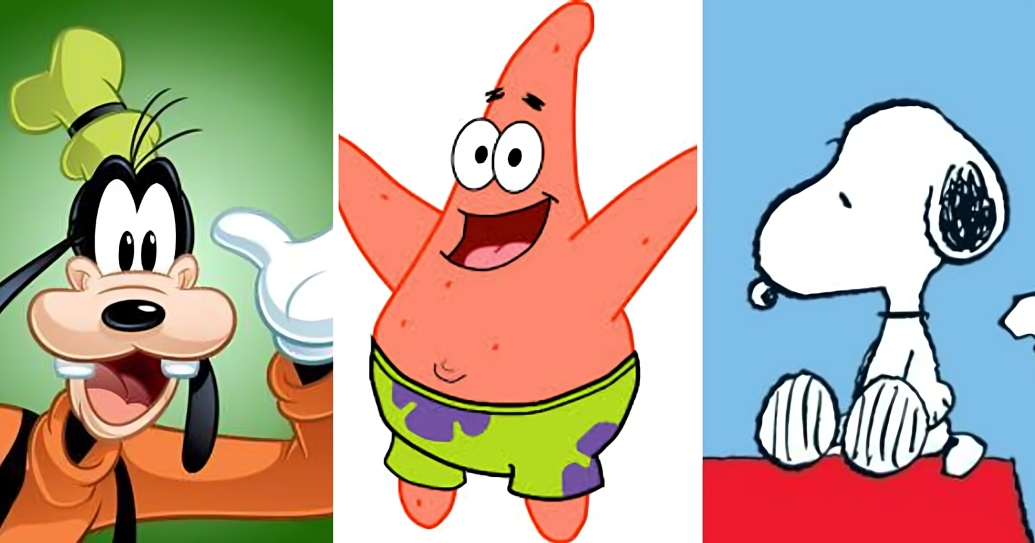
Cartoon characters have been an essential part of human entertainment for more than a century. From simple hand-drawn figures in early animation to today’s digitally enhanced icons, they have shaped childhood memories, influenced popular culture, and even reflected social values. These characters are more than just animated drawings; they represent emotions, stories, humor, and lessons that resonate across generations.
The appeal of cartoon characters lies in their ability to communicate complex ideas in simple, visual ways. Whether they are humorous, heroic, mischievous, or emotional, these characters connect deeply with audiences of all ages. Over time, they have evolved alongside technology and storytelling techniques, maintaining their relevance in a constantly changing world.
The Early Origins of Cartoon Characters
The history of cartoon characters begins with the birth of animation itself. Early animators experimented with movement by drawing sequences of images that created the illusion of motion. These early characters were often simple, exaggerated figures designed to be easily recognizable and expressive.
In the early 20th century, cartoon characters were primarily used for short entertainment pieces shown before films. Their exaggerated movements and facial expressions were essential because animation lacked sound and color. This limitation pushed creators to rely heavily on visual storytelling, which helped establish many of the animation techniques still used today.
As animation became more refined, cartoon characters began to develop distinct personalities. Audiences no longer watched them just for movement but for their unique traits, humor, and emotional appeal.
Evolution Through the Golden Age of Animation
The golden age of animation marked a turning point in how cartoon characters were designed and perceived. During this period, characters became more detailed, expressive, and story-driven. Animators focused on personality development, giving characters recognizable behaviors, strengths, and flaws.
This era introduced the concept of recurring cartoon characters that appeared in multiple episodes or films. These recurring appearances allowed audiences to form emotional connections, turning animated figures into cultural icons. The popularity of such characters demonstrated that animation was not just for children but a powerful storytelling medium for everyone.
The success of these characters also influenced the entertainment industry, leading to merchandise, themed attractions, and expanded storytelling universes.
Psychological Appeal of Cartoon Characters
One reason cartoon characters are so effective is their psychological impact. Their exaggerated features, such as large eyes or expressive faces, naturally attract attention and evoke empathy. Humans are drawn to faces, and animated characters amplify facial expressions in ways that feel emotionally engaging.
Cartoon characters also offer a safe way to explore emotions and conflicts. Through humor and fantasy, they present real-world challenges in simplified forms. Children learn lessons about friendship, honesty, courage, and perseverance, while adults often find comfort and nostalgia in familiar animated figures.
This emotional connection explains why cartoon characters often remain relevant long after their initial creation.
Cartoon Characters and Cultural Influence
Cartoon characters play a significant role in shaping cultural trends. They often reflect the values, humor, and concerns of the time in which they were created. As society changes, so do animated characters, adapting to new expectations and perspectives.
In many cultures, cartoon characters are used to teach moral lessons, social behaviors, and even language skills. Educational animation has proven especially effective because it combines entertainment with learning. Characters become trusted guides, helping viewers understand complex ideas in an engaging way.
Additionally, cartoon characters often cross cultural boundaries. A well-designed character can be understood and appreciated worldwide, regardless of language or background.
The Role of Technology in Character Development
Advancements in technology have dramatically changed how cartoon characters are created. Early hand-drawn animations required thousands of individual drawings. Today, digital tools allow animators to create smoother movements, richer textures, and more detailed worlds.
Three-dimensional animation has expanded the possibilities for character design, allowing for more realistic movements while maintaining the charm of traditional cartoons. Despite these advancements, the core principles of character design remain the same: strong personality, clear motivation, and emotional connection.
Technology has enhanced visual quality, but storytelling remains the heart of successful cartoon characters.
Cartoon Characters in Modern Media
In the modern era, cartoon characters exist across multiple platforms. They appear in television series, movies, games, social media content, and even virtual environments. This multi-platform presence allows characters to reach wider audiences and remain relevant in a competitive entertainment landscape.
Streaming services have also changed how audiences interact with animated content. Viewers can now watch entire series at their own pace, deepening their connection with characters and storylines.
Modern cartoon characters often reflect more diverse experiences and perspectives, making animation more inclusive and relatable than ever before.
Educational and Social Impact
Beyond entertainment, cartoon characters have proven to be powerful educational tools. They are widely used in early childhood education to teach basic skills such as counting, reading, and problem-solving. Their friendly and approachable nature helps reduce anxiety and encourages curiosity.
Cartoon characters are also used in public awareness campaigns to promote positive behaviors. Because audiences trust and recognize these characters, messages delivered through animation often have a stronger impact than traditional methods.
This educational value highlights the broader social importance of cartoon characters.
Why Cartoon Characters Remain Timeless
The lasting popularity of cartoon characters comes from their adaptability. They can evolve with changing audiences while retaining their core identity. A well-crafted character can be reimagined across decades without losing its essence.
Nostalgia also plays a key role. Adults often introduce the cartoon characters they loved as children to the next generation, creating a shared cultural experience. This continuity keeps characters alive and relevant.
Ultimately, cartoon characters endure because they speak to universal human emotions and experiences.
Conclusion
Cartoon characters are far more than animated figures on a screen. They are cultural symbols, educational tools, and emotional companions that have shaped entertainment for generations. From their humble beginnings to their modern digital forms, they continue to evolve while maintaining their core appeal.
Their ability to entertain, teach, and connect makes cartoon characters a timeless part of human storytelling. As technology advances and audiences change, these characters will undoubtedly continue to inspire imagination, creativity, and joy for years to come.
