
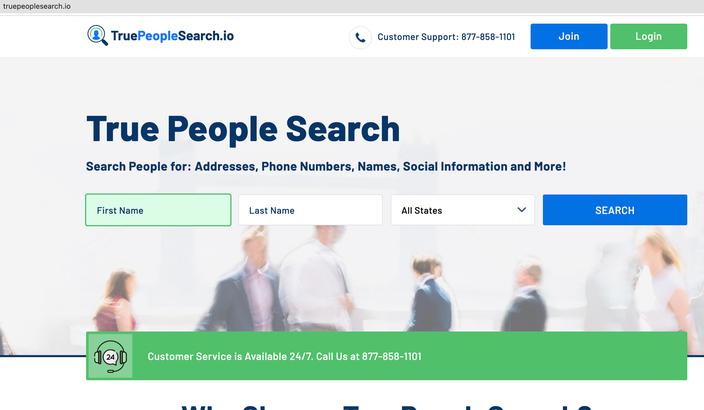
In today’s data-driven world, searching for information about people has become easier than ever. One phrase that frequently appears in online discussions is true people search. While the term itself sounds simple and even helpful, it carries complex implications that many users do not fully understand. Some see it as a powerful tool for reconnecting with others, while others view it as a risky practice that can threaten personal privacy and safety.
This article explores true people search in depth, explaining what it is, how it works, why people use it, and why it can be both useful and dangerous. The goal is to provide a balanced, high-quality understanding so readers can make informed decisions.
What Is True People Search?
True people search generally refers to the process of finding detailed information about an individual using publicly available data. This may include names, past addresses, phone numbers, age ranges, and sometimes associated relatives. The concept is rooted in the idea that many personal details already exist in public records and digital databases.
Unlike casual social media searches, true people search focuses on aggregating data from multiple sources to create a broader profile of a person. This depth is what makes it appealing—and controversial.
Why Do People Use True People Search?
There are several common reasons why individuals turn to true people search:
1. Reconnecting With Lost Contacts
Many people use it to find old friends, classmates, or distant relatives. Over time, people move, change names, or disappear from social platforms, making them difficult to locate through normal means.
2. Verifying Identities
In an era of online interactions, identity verification has become important. Some individuals use people search methods to confirm whether someone they met online is real, especially in dating or professional networking contexts.
3. Background Awareness
Before entering business partnerships, renting property, or even going on a first date, some users want basic background awareness. They believe that understanding who they are dealing with can reduce risks.
4. Personal Curiosity
Sometimes the motivation is simple curiosity. People wonder about neighbors, distant relatives, or individuals they encounter briefly and want to know more.
The Positive Side of True People Search
Despite the controversy, true people search does have legitimate benefits when used responsibly.
Improved Personal Safety
When used carefully, it can help individuals avoid scams or dangerous situations. Recognizing warning signs early can prevent emotional or financial harm.
Family and Genealogy Research
For those researching family history, people search tools can assist in tracing lineage, finding relatives, and understanding family connections.
Transparency in a Digital World
Supporters argue that transparency already exists due to public records. True people search simply organizes information that is legally available, making it easier to access.
The Dangerous Side of True People Search
While there are benefits, the dangers associated with true people search cannot be ignored.
Privacy Invasion
One of the biggest concerns is privacy. Many individuals are unaware that their personal information is so easily accessible. Even if data is public, compiling it into one profile can feel intrusive and unsettling.
Harassment and Stalking Risks
When detailed personal information becomes easy to obtain, it can be misused. Stalkers, harassers, or malicious individuals may exploit people search data to locate or intimidate others.
Identity Misuse
Information found through true people search can be used for impersonation or social engineering. Even partial data can be enough for bad actors to manipulate systems or people.
Inaccurate Information
Another overlooked danger is misinformation. Data may be outdated, incorrect, or belong to someone with a similar name. Acting on false information can lead to serious misunderstandings and harm.
Legal and Ethical Considerations
True people search exists in a gray area between legality and ethics. While much of the data used is technically public, ethical questions remain.
- Consent: Most individuals have not explicitly consented to having their information aggregated and searched in this way.
- Purpose: Using information for safety or reconnection is very different from using it for exploitation.
- Responsibility: Users must consider how their actions affect others, especially when sensitive data is involved.
Understanding these considerations is crucial before engaging in any form of people search.
How to Use True People Search Responsibly
If someone chooses to use true people search, responsibility is key. Here are important guidelines to follow:
Use Information Carefully
Never assume that the information found is 100% accurate. Always cross-check details and avoid jumping to conclusions.
Respect Boundaries
Just because information is accessible does not mean it should be used to intrude into someone’s life. Respect personal boundaries and privacy.
Avoid Harmful Intent
Using data to harass, threaten, or manipulate others is unethical and can have legal consequences. Responsible use focuses on safety and understanding, not control.
Protect Your Own Information
Understanding true people search should also encourage individuals to be proactive about their own digital footprint. Being mindful of what information is publicly available can reduce personal risk.
The Future of People Search and Privacy
As technology advances, the balance between information access and privacy will become even more critical. Governments, platforms, and users are increasingly debating how much personal data should be accessible and under what conditions.
Artificial intelligence, data aggregation, and automation may make people search even more powerful in the future. This makes digital literacy and ethical awareness more important than ever.
Users who understand both the benefits and dangers of true people search will be better equipped to navigate the digital world safely.
Final Thoughts
True people search is neither purely good nor entirely bad. It is a powerful concept that reflects the reality of living in a connected, data-rich society. When used responsibly, it can help people reconnect, verify identities, and stay safe. When misused, it can become invasive, harmful, and dangerous.
The key lies in awareness, ethics, and responsibility. By understanding what true people search really is—and what it can lead to—individuals can make informed choices that protect both themselves and others in the digital age.
