
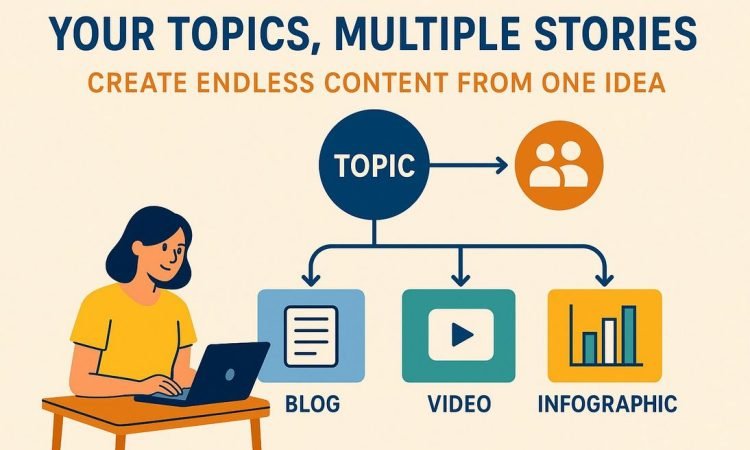
Digital content consumption has changed dramatically in recent years. Readers no longer want one-dimensional information; they crave variety, depth, and perspective. This is where your topics | multiple stories becomes an influential concept. It represents a modern way of consuming content that blends personalization with diversity, offering both opportunities and challenges. This article explores the positive and negative sides of this approach, why it matters in today’s digital landscape, and how it can transform the way people interact with information.
Understanding the Concept Clearly
At its core, your topics | multiple stories refers to a content model where users explore a single subject through many angles, voices, and narratives. Instead of one rigid explanation, readers are exposed to a spectrum of ideas that deepen understanding. This method mirrors how real life works—there is rarely just one story behind any topic.
This approach is increasingly valued because it respects the reader’s intelligence. Rather than pushing a single viewpoint, it allows people to form their own opinions based on varied information.
The Positive Power of Multiple Perspectives
One of the strongest advantages of your topics | multiple stories is intellectual expansion. When readers encounter diverse interpretations of the same topic, they develop critical thinking skills. They learn to question, compare, and analyze rather than accept information blindly.
Another positive aspect is engagement. Multiple stories keep readers interested longer. Instead of leaving after one article, users explore related narratives, increasing curiosity and satisfaction. This method also supports inclusivity by giving space to different voices, cultures, and experiences.
From an educational standpoint, this approach is powerful. Students, professionals, and lifelong learners benefit from layered knowledge that goes beyond surface-level explanations.
Emotional Connection and Storytelling Strength
Stories connect emotionally in ways plain facts cannot. When a single topic is told through multiple human experiences, it becomes relatable. Your topics | multiple stories allows readers to see themselves reflected in content, building trust and emotional resonance.
This emotional depth strengthens memory retention. Readers are more likely to remember stories than isolated data, making this model highly effective for meaningful learning and long-term engagement.
The Negative Side: Information Overload
Despite its strengths, your topics | multiple stories can become overwhelming. Too many narratives without proper structure may confuse readers. Instead of clarity, they experience mental fatigue.
Another concern is contradiction. When stories conflict without context, readers may struggle to determine credibility. This can lead to frustration, especially for those seeking quick answers rather than exploration.
There is also the risk of reduced focus. Jumping between stories may dilute the core message, leaving readers informed but not decisive.
Balance Is the Key to Success
The success of your topics | multiple stories depends heavily on balance. Curated storytelling is essential. When narratives are organized thoughtfully, readers gain clarity instead of confusion.
Effective implementation ensures that multiple stories complement rather than compete with each other. Clear context, logical flow, and purposeful grouping help readers navigate information smoothly.
Why This Model Is Growing Rapidly
The rise of your topics | multiple stories aligns with changes in user behavior. People want control over what they consume. They prefer tailored experiences that adapt to their interests rather than generic content.
This model also reflects social realities. Modern audiences are aware that truth often has many layers. Multiple stories validate this understanding, making content feel more authentic and trustworthy.
Impact on Digital Learning and Media
In digital education, your topics | multiple stories enhances comprehension. Learners benefit from seeing concepts applied in different scenarios. This improves problem-solving skills and real-world application.
In media, this approach encourages responsible journalism. Covering topics through multiple narratives reduces bias and builds credibility. Audiences feel respected when presented with balanced perspectives rather than one-sided narratives.
Psychological Effects on Readers
Psychologically, this model empowers readers. They feel involved rather than instructed. The ability to choose which stories to explore creates a sense of autonomy and satisfaction.
However, excessive choice can also cause decision fatigue. This is why moderation and thoughtful presentation are critical for maintaining a positive user experience.
How Creators Can Use It Effectively
Content creators benefit greatly from your topics | multiple stories when used strategically. It allows deeper exploration of subjects, increasing authority and relevance. Creators can address different audience segments without abandoning the main topic.
The key lies in intentional storytelling. Each narrative should serve a purpose—adding insight, contrast, or emotional depth. Random stories weaken impact, while focused ones strengthen it.
Trust, Credibility, and Responsibility
With power comes responsibility. Presenting multiple stories requires ethical awareness. Misleading or extreme narratives can distort understanding. Responsible use of your topics | multiple stories prioritizes accuracy, fairness, and clarity.
When done right, this approach builds trust. Readers appreciate transparency and honesty, especially in complex or sensitive subjects.
Future Outlook: Opportunity or Risk?
Looking ahead, your topics | multiple stories is likely to become a dominant content strategy. As audiences grow more discerning, demand for depth and variety will increase.
The risk lies in misuse. Without structure, quality control, and ethical consideration, this model can overwhelm or misinform. The opportunity lies in thoughtful execution that respects both content and audience.
Final Thoughts
Your topics | multiple stories is neither purely positive nor negative—it is powerful. Its strength depends on how it is used. When balanced correctly, it enriches understanding, encourages empathy, and deepens engagement. When mismanaged, it creates confusion and fatigue.
