
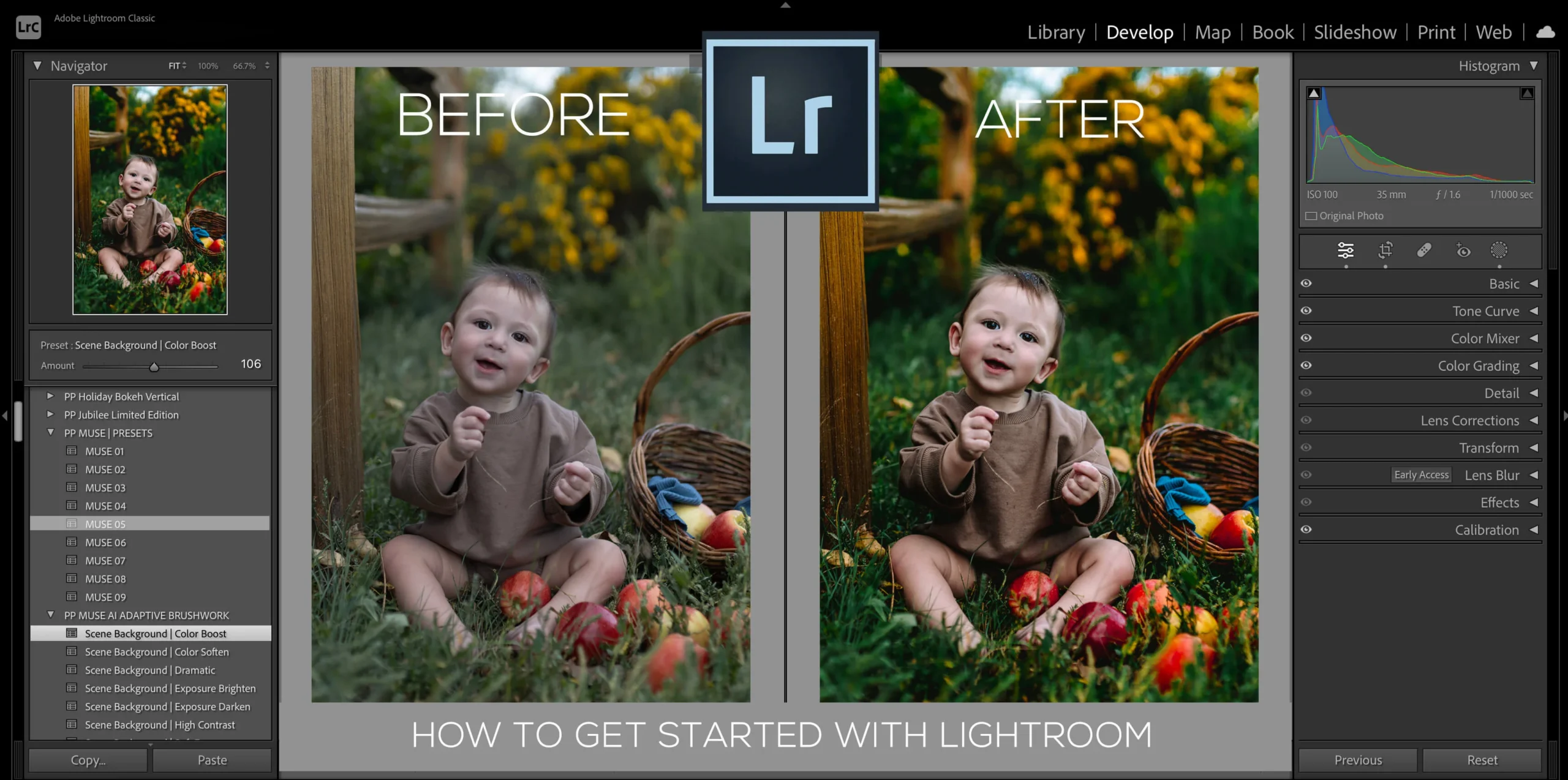
In an age where mobile photography and quick editing matter more than ever, it’s tempting to grab a “premium” version of a popular app for free. One such option floating around the internet is the so-called “Lightroom Mod APK” — a cracked or modified version of Adobe Lightroom — boasting unlocked premium tools, no watermarks, and cloud-storage access, all without a paid subscription. But while the benefits sound alluring, using such modded APKs is fraught with serious risks. Below I unpack the many dangers — legal, technical, security, and ethical — that come with using these unofficial apps in 2024.
What is Lightroom Mod APK — and why people use it
“Lightroom Mod APK” refers to versions of Adobe Lightroom that have been modified by third parties to bypass paywalls and licensing restrictions. These versions often promise:
- Full access to premium editing tools, filters, presets, and advanced features for free.
- Watermark-free exports and ad-free editing experiences.
- Claimed cloud storage and sync options without requiring a paid plan.
- The convenience of skipping subscription costs while still using “premium-level” photo editing, which can be especially tempting for users who can’t or don’t want to pay.
Given these supposed perks, many users — especially hobbyists or casual photographers — are drawn to download and install the modded APK rather than paying for the official app. But behind the convenience lies a minefield of risks.
The Hidden Dangers — Security, Privacy, and Malware Threats
🛑 Third-party APKs are rarely safe
Modded apps are almost always distributed outside official platforms (like Google Play or Apple App Store) — often via sketchy websites, forums, or file-sharing networks. As a result:
- The APK files may be tampered with and embed malicious code: spyware, trojans, ransomware, cryptojacking scripts, or adware.
- Once installed, these threats can steal sensitive data (photos, documents, login credentials), compromise device security, or even lock down the device until a ransom is paid.
- Because modded APKs bypass official security checks, there is no guarantee they remain safe. Many such apps are flagged as malicious far more often than legitimate apps. Indeed, a recent large-scale academic study found that modded apps are substantially more likely to be harmful than their official counterparts.
In short: by using a modded version of Lightroom, you could be opening the door to malware infection, data theft, or worse.
🚫 Lack of official security updates makes matters worse
Even if a modded version seems to work fine at first, problems tend to accumulate over time:
- Modded apps typically don’t receive official updates, patches, or security fixes. This means that any newly discovered vulnerabilities remain unpatched, leaving your device exposed.
- As the original app (Lightroom) evolves — improving encryption, tightening security, or changing cloud-sync protocols — modded versions may become incompatible or fail to provide promised features. That can translate into broken functionality, bugs, or loss of access to edited content.
In other words: what might seem like a “free premium upgrade” today could turn into a security nightmare or data loss tomorrow.
Legal and Ethical Consequences
⚖️ Violates licensing agreements and copyright laws
Using a modded version of a proprietary app like Adobe Lightroom is effectively software piracy. The mod bypasses payment and licensing mechanisms put in place by the developers — this is almost always in violation of the original app’s Terms of Service or End-User License Agreement.
In many jurisdictions, using pirated software is illegal — and while individuals are rarely aggressively prosecuted, there remains a risk of legal consequences, account bans, or other penalties.
🧑💻 It undermines the developers and the software ecosystem
Beyond legality, using modded apps raises ethical concerns. Developers invest time and resources into building and maintaining software. Subscription models pay for continued updates, bug fixes, improvements, and support. By using a pirated version, you’re effectively bypassing that support system — depriving developers of revenue that sustains their work.
Over time, widespread use of modded versions can discourage developers from continuing to invest in improvements — which ultimately harms all users, including those who do pay.
Functional and Experience-Related Issues
Even if you ignore legal and security concerns, modded apps often deliver a sub-par user experience. Users have reported:
- Instability, bugs, and crashes — modded versions may not run smoothly, especially on newer OS versions or newer devices.
- Broken or unreliable cloud sync / data loss — even when modded versions claim to offer cloud storage, such features may be poorly implemented or malfunction completely. This can result in loss of edits, presets or even original photos.
- No support or help if something goes wrong — since you’re not using a legitimate version, you have no access to official customer support, bug fixes, or updates.
Thus, instead of a seamless editing experience, you may end up with frustration, lost work, or (worse) compromised data.
What Recent Research Shows — Modded Apps Are Systematically Risky
A significant piece of research published in 2024 (titled ModZoo: A Large-Scale Study of Modded Android Apps and their Markets) analyzed over 146,000 apps from 13 popular modded-app markets. The study found that:
- Modded apps are ten times more likely to be flagged as malicious compared to official apps.
- Many modded apps request additional permissions beyond what the legitimate version requires, increasing the chance of data harvesting, spying, or other malicious behavior.
- The financial impact on original developers is also significant, as modded versions undermine paid subscriptions and ad-based revenue.
Given the volume and rigor of this research, it is not just a handful of “shady mods” — modded apps as a whole represent a substantial, systemic risk to both user security and the software ecosystem.
Real-World Consequences: What Could Go Wrong
Here are some of the worst-case scenarios you might face by using a modded Lightroom APK:
- Malware infection or device compromise — You install the APK, but hidden within are trojans or spyware that steal your photos, contact list, or banking credentials, or even encrypt your device for ransom.
- Data loss or permanent loss of edits/music/photos — The app crashes, doesn’t sync, or corrupts data; your presets and work vanish without a backup.
- Account ban or legal trouble — If detected by the official developers or app store, you might be banned from using the service, or worse, face legal consequences (especially if you distribute modded software).
- Privacy breach — Sensitive personal data could be harvested, sold, or used for identity theft or blackmail.
- Unreliable user experience — Constant crashes, bugs, or incompatibility with your device or updates — making your “free premium” more of a headache than a benefit.
afer, Legal Alternatives — Why They’re Worth It
Given all these risks, it’s fairly clear that using modded APKs is rarely worth it. Instead, consider safer and legal alternatives:
- Use the official Adobe Lightroom app. Even the free tier provides robust tools and features — and by subscribing legally, you support the developers, get updates, security, and official support.
- Explore other legitimate photo-editing apps that are free or affordable, such as Snapseed, VSCO, or others — many of which offer powerful editing tools without copyright or security issues.
- If you want premium Lightroom features but can’t afford subscription — wait for promotions, discounts, or use trial periods. It’s far safer than risking your device or data.
Conclusion — Why “Latest Lightroom Mod APK (2024)” is Among the Most Dangerous Ideas
While the lure of free premium features, water-mark-free exports, and ad-free editing is powerful, the hidden costs of using a modded APK — especially one claiming to be the “latest version 2024” — are steep. From malware and privacy risks to legal and ethical violations, from data loss to lack of updates or support, the dangers accumulate quickly.
Research has repeatedly shown that modded apps are significantly more likely to be malicious than official ones, and that they pose a real threat to user security and the broader software ecosystem. Using cracked or pirated software may seem like a shortcut, but it’s a shortcut that often ends in trouble — for you, and for the software developers whose work you’re bypassing.
In short: the temptation of “free premium Lightroom” simply isn’t worth the risk. If you want stability, safety, and peace of mind — stick with the official version or trusted alternatives.
